How to Catch Marlin: Offshore Game Fishing Guide
Learn how to catch marlin with proven offshore techniques, tackle setups, and the best seasonal windows for targeting blue, black, striped, and white marlin.


Marlin fishing stands at the top of offshore sport fishing because few species match their size, raw speed, and explosive power. Hooking a marlin tests strength, patience, and skill, often pushing both angler and equipment to the limit. These billfish are famous for blistering runs, aerial jumps, and long battles that make every strike unforgettable. Success offshore depends on understanding how marlin move, feed, and respond to changing ocean conditions. Effective marlin fishing combines proven offshore techniques, properly matched tackle, and timing trips around the most productive seasonal windows. Marlin fishing refers to offshore game fishing that targets billfish species such as blue, black, striped, and white marlin, typically far from shore, where deep water, temperature breaks, and concentrated bait create ideal hunting grounds for these powerful predators.
Understanding Marlin Species and Behavior
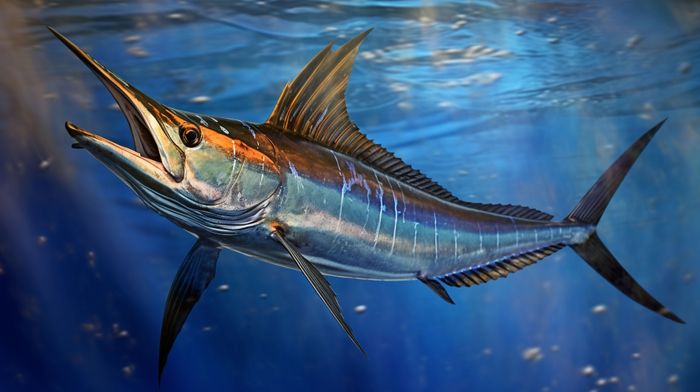
Marlin are fast-moving pelagic predators that spend most of their lives in open ocean environments. Their long bills, powerful tails, and streamlined bodies allow them to chase down baitfish at high speeds. Marlin rely heavily on sight and water temperature, often holding near current edges, underwater structure, and areas where bait gathers. Knowing how these fish behave helps anglers predict where they will feed and travel.
Several marlin species are commonly targeted offshore. Blue marlin are known for their size and strength and prefer deep, warm waters. Black marlin often stay closer to structure and continental shelves. Striped marlin are highly migratory and frequently travel in packs, while white marlin are smaller but extremely fast and aggressive. Each species reacts differently to bait, lure presentation, and seasonal changes. Understanding these differences improves hook-up rates and helps anglers choose the right techniques and timing offshore.
Offshore Marlin Fishing Essentials
Offshore marlin fishing falls under deep-sea big game fishing, where anglers travel far from shore into deep, open water to target powerful pelagic species. This offshore environment matters because marlin follow warm currents, bait migrations, and temperature breaks that only exist beyond coastal waters. Understanding offshore fishing techniques helps anglers cover large areas efficiently while focusing on zones where marlin actively hunt.
Before heading offshore, preparation plays a major role in success and safety.
Offshore readiness checklist:
Charters and guides: Fishing with experienced offshore captains improves success, especially when targeting marlin. Platforms like Guidesly make it easier to connect with professional guides who understand local waters, seasonal movements, and proven offshore tactics.
Seasonal windows and hot spots: Study peak marlin seasons and regional locations such as Destin, Florida, or West Bay, where deep water access and strong currents attract billfish.
Safety and sea conditions: Check weather forecasts, wave height, wind direction, and current strength. Carry proper safety gear, navigation tools, and communication equipment suited for long offshore runs.
Thorough preparation and knowledge of offshore conditions increase efficiency, safety, and the chances of encountering marlin in deep water.
Proven Marlin Fishing Techniques
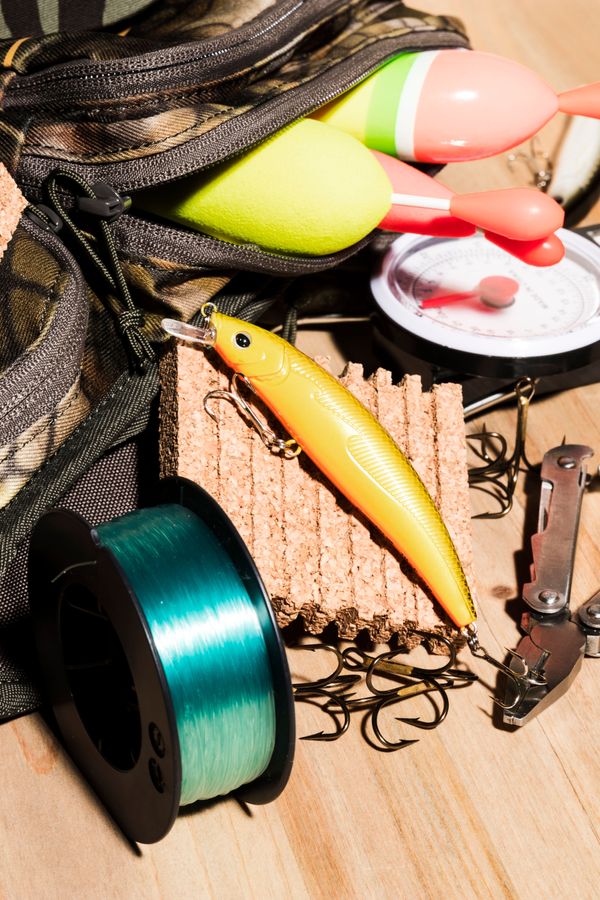
Marlin respond best to offshore fishing methods that cover water efficiently and match their feeding behavior. Choosing the right approach depends on conditions, bait availability, and how actively fish are feeding. These billfish fishing tactics focus on triggering aggressive strikes in open water.
1. Trolling for Marlin
Trolling is the most effective technique for targeting marlin offshore because it allows anglers to search large areas consistently.
Core principles: Maintain steady boat speed, run a balanced lure spread, and position baits at different distances to cover multiple strike zones.
Lures vs rigged natural baits: Artificial lures offer durability and speed coverage, while rigged natural baits provide scent and realism that can increase strikes.
Speed and lure selection: Moderate trolling speeds paired with surface skirted lures and teasers help draw marlin into the spread and trigger aggressive attacks.
2. Live Baiting
Live baiting is most effective when marlin are holding in a specific area or feeding selectively.
When to use live bait: Choose live bait when fish are visible but not responding to lures or during slower bite periods.
Best live baits: Tuna, ballyhoo, and bonito are proven marlin baits due to their size, movement, and durability.
Presentation tips: Kite fishing keeps live bait on the surface, creating natural movement that attracts marlin from a distance.
3. Rigged Dead Baits and Bait-Lure Combos
Rigged dead bait adds scent and natural action while maintaining trolling efficiency.
Why it works: Dead bait creates a realistic swimming profile that appeals to larger marlin.
Use cases: Ideal when marlin show interest but hesitate to commit to artificial lures.
Set-up strategy: Proper rigging ensures straight tracking and consistent movement at trolling speeds.
4. Other Techniques and Situational Tactics
Certain conditions call for more advanced offshore tactics.
Center-wrap trolling: Tight turning patterns keep lures in productive water longer.
Reading offshore signs: Birds, floating debris, structure, and temperature breaks often signal feeding marlin nearby.
Fighting and handling: Apply steady pressure, avoid sudden drag changes, and use proper release techniques once the fish reaches the boat.
Adapting techniques based on offshore conditions improves efficiency and increases success when targeting marlin.
Essential Tackle and Gear for Marlin Fishing
Marlin fishing requires heavy-duty equipment designed for offshore fishing techniques and deep-sea big game fishing. The table below outlines the essential tackle components and their roles when targeting marlin offshore.
Gear Category | Purpose | Key Considerations |
|---|---|---|
Handle long runs and powerful fights | Heavy offshore rods paired with large conventional reels and smooth, high-drag systems | |
Main Line | Absorb shock and maintain strength under pressure | Monofilament or braided line with high tensile strength and abrasion resistance |
Leaders | Protect against bill strikes and body abrasion | Heavy fluorocarbon or monofilament leaders matched to the target marlin size |
Hooks & Terminal Tackle | Secure hookups and withstand extreme force | Strong circle or J hooks, quality swivels, crimps, and rigging components |
Lures & Natural Baits | Attract and trigger strikes | Skirted trolling lures, teasers, and rigged ballyhoo or other natural baits |
Fighting & Landing Gear | Control fish during extended battles | Fighting belts, harnesses, gaffs, and release tools for safe handling |
Using properly matched tackle improves control, reduces equipment failure, and increases success when targeting marlin in offshore environments.
Seasonal Windows and Best Times to Catch Marlin
Knowing the best marlin fishing seasons globally helps anglers plan trips around peak activity. Marlin movements depend on water temperature, bait migrations, and ocean currents, making timing critical when deciding when to catch marlin near you or offshore.
Understanding Seasonal Patterns
Water temperature: Marlin follow warm water ranges that support baitfish and feeding activity.
Seasonal migrations: As temperatures rise, marlin move along current systems toward productive offshore zones.
Bait availability: Areas with consistent bait concentrations hold marlin longer during peak seasons.
Notable Regional Timeframes
Florida and the Gulf of Mexico: Prime marlin season runs from May to October, when warm currents and offshore bait are most consistent.
Caribbean and West Bay: Extended high seasons supported by stable water temperatures and productive charter fisheries.
Pacific hotspots: Hawaii and Kona experience strong early summer peaks as marlin follow bait migrations closer to shore.
Striped and white marlin: These species follow predictable seasonal migration routes, appearing during specific feeding windows.
Daily Timing and Weather Considerations
Best times of day: Early morning and late afternoon offer the most reliable bite periods.
Weather influence: Calm seas, steady currents, and light weather fronts improve feeding conditions. Sudden changes in wind or pressure often push marlin deeper or out of feeding zones.
Where to Catch Marlin: Top Offshore Destinations
Marlin are found in warm offshore waters where deep structure, strong currents, and abundant bait intersect. Choosing the right destination increases the chances of encountering active fish and fishing during peak seasonal windows.
Popular marlin fishing destinations include:
Destin, Florida: Known for deep water access and consistent blue marlin activity during the warmer months.
West Bay: Offers productive offshore grounds supported by steady currents and extended marlin seasons.
Caribbean waters: Provide year-round opportunities in many locations due to stable temperatures and strong bait migrations.
Pacific hotspots: Areas such as Hawaii feature productive offshore fishing where marlin follow seasonal bait movement close to shore.
Local conditions, seasonal timing, and charter experience all play a role in destination success. Fishing areas with proven marlin activity and knowledgeable offshore captains help anglers maximize opportunities while fishing safely in deep water.
Offshore Safety, Responsible Fishing, and Marlin Conservation
Offshore marlin fishing takes place far from shore, making safety a top priority. Always monitor weather forecasts, sea conditions, and fuel range before departure. Carry reliable navigation equipment, communication devices, life jackets, and emergency supplies. Clear roles on board and awareness during fights help prevent accidents when a marlin is near the boat.
Ethical and legal fishing practices protect marlin populations and offshore fisheries. Follow local regulations regarding seasons, size limits, and permitted gear. Many regions encourage or require the release of billfish, making responsible handling an important part of offshore fishing.
Catch and release practices help ensure marlin survive after capture. Use circle hooks when possible, minimize fight time, keep the fish in the water during release, and remove hooks quickly. Supporting the fish until it swims away strongly improves post-release survival.
Conclusion
Marlin fishing blends preparation, skill, and timing into one of the most challenging offshore pursuits. Consistent success comes from understanding marlin behavior, applying proven offshore techniques, using dependable tackle, and fishing during the most productive seasonal windows. Offshore conditions change quickly, making adaptability just as important as experience. Responsible fishing practices also help protect marlin populations for the future. For anglers looking to fish new waters or learn from experienced professionals, exploring marlin trips and offshore guides on Guidesly offers an easy way to connect with knowledgeable captains and plan well-prepared offshore adventures.
FAQs
1. What size marlin is considered a trophy catch?
A trophy marlin typically exceeds 500 pounds, though size standards vary by species, location, and local angling records recognized within offshore sport fishing communities worldwide.
2. Do marlin feed at night?
Marlin primarily feed during daylight hours using sight to hunt, but limited feeding can occur at night when bait is concentrated near surface lights or calm conditions.
3. How long does a typical marlin fight last?
Fight duration ranges from 20 minutes to several hours, depending on fish size, tackle strength, angler skill, and how aggressively the marlin runs after hookup.
4. Can beginners target Marlin successfully?
Beginners can target marlin successfully by fishing with experienced crews, using heavy tackle, and focusing on peak seasons where fish are more predictable and aggressive.
5. Are marlin attracted to certain water colors?
Marlin often favor blue or deep cobalt water where visibility is high, and baitfish are present, especially along color changes created by currents and temperature breaks.
6. What boat size is ideal for marlin fishing?
Most marlin fishing boats range from 30 to 50 feet, offering stability, fuel range, and deck space needed for offshore trolling and fighting large billfish.
7. Do moon phases affect marlin fishing?
Moon phases influence tides and bait movement, with some anglers noticing increased activity around new and full moons when currents and feeding conditions intensify.
8. How deep do marlin typically swim?
Marlin spend time near the surface but regularly dive hundreds of feet while hunting or resting, especially during midday or when avoiding boat traffic.
9. Is marlin fishing regulated worldwide?
Marlin fishing regulations vary by country and region, often including catch limits, mandatory release rules, and reporting requirements to support conservation efforts.
10. What happens to Marlin after release?
Most released marlin survive when handled properly, as tagging studies show strong recovery rates when fight times are controlled, and fish are released quickly.