Best Guided Fishing Trips in the Great Lakes Region
Explore the best guided fishing trips in the Great Lakes. Find top charters for walleye, salmon, and trout with expert local guides.
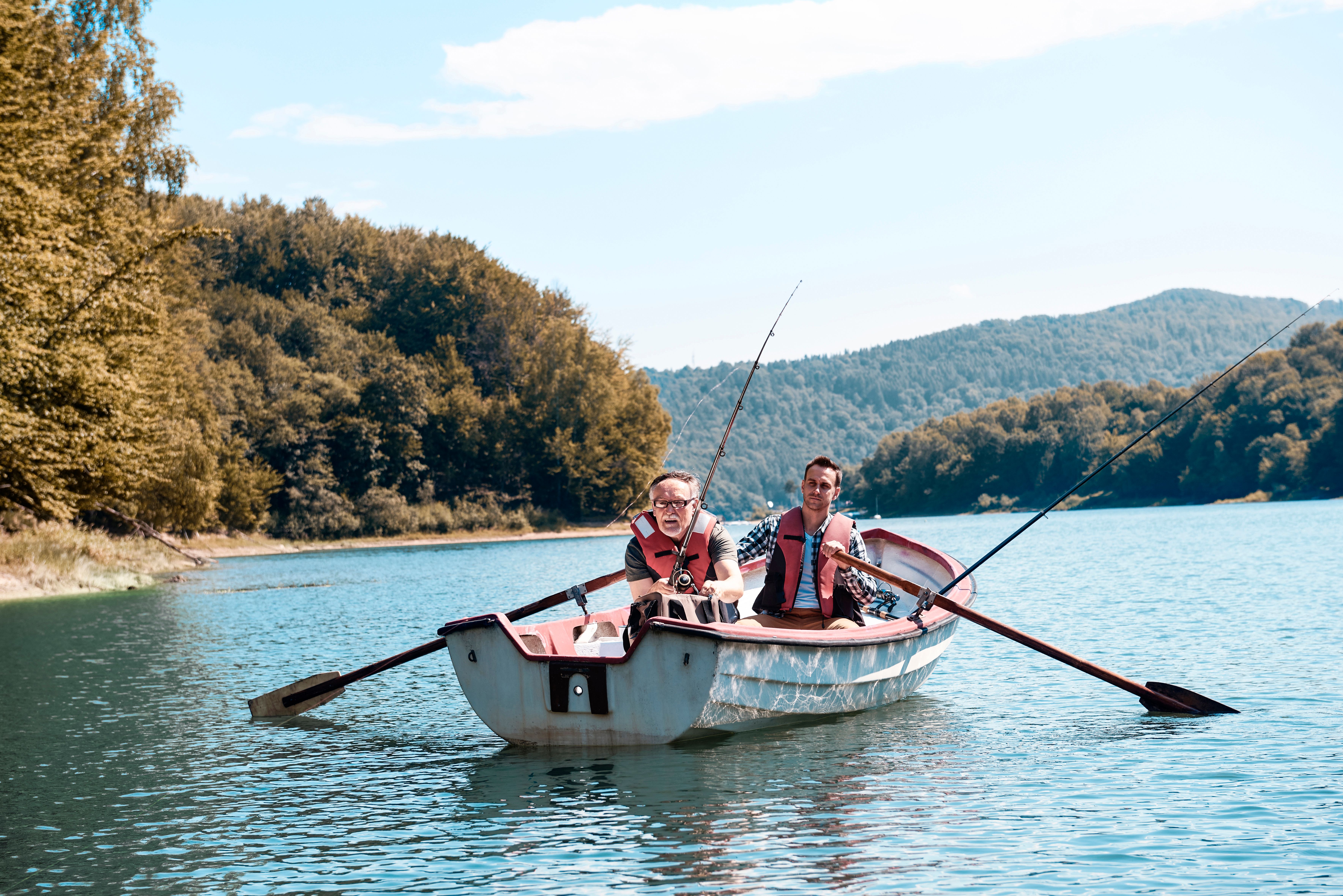


The Great Lakes stand as one of the most iconic freshwater fishing destinations in the world, drawing anglers from across North America and beyond. Spanning five massive lakes with diverse ecosystems, this region delivers consistently hot fisheries and trophy-class catches year after year. Anglers love booking guided fishing trips in the Great Lakes because local captains understand seasonal movements, weather shifts, and proven techniques that lead to more fish and less guesswork. From Lake Erie’s legendary walleye bite to Lake Michigan’s powerful salmon and trout runs, Great Lakes fishing charters offer unmatched variety and action. With experienced guides, top-tier boats, and access to prime waters, the best fishing guides on Lake Erie and surrounding lakes help anglers target walleye, salmon, and trout with confidence and success.
Why Choose a Guided Fishing Trip in the Great Lakes
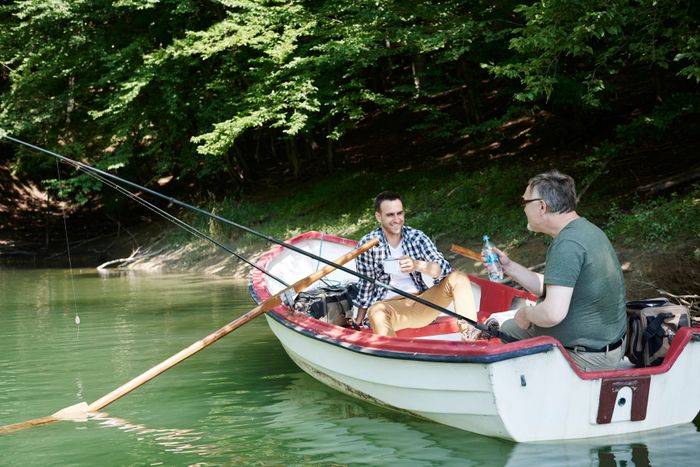
Booking a guided fishing trip in the Great Lakes gives anglers immediate access to deep local knowledge that can take years to develop. Experienced captains know where fish are holding, how seasonal patterns shift, and which techniques work best on each lake, increasing success for species like walleye, salmon, and trout.
Safety and convenience are major advantages of Great Lakes fishing charters. Professional guides provide seaworthy boats, quality gear, and expert navigation for these vast waters, where conditions can change quickly. With equipment and logistics handled, anglers can focus on learning techniques, fishing confidently, and enjoying consistent results across multiple fisheries.
Great Lakes Region Fishing Overview
The Great Lakes region includes Lake Erie, Lake Michigan, Lake Huron, Lake Ontario, and Lake Superior, forming the largest freshwater system in the world. Each lake offers distinct fishing opportunities, from shallow, nutrient-rich waters to deep offshore zones and productive tributaries. This diversity creates year-round fishing potential and supports multiple techniques such as trolling, jigging, and drift fishing.
Anglers are drawn to the Great Lakes for their incredible species variety and consistent action. Lake Erie is famous for world-class Walleye and Yellow Perch, while Lakes Michigan and Ontario are top destinations for Salmon and Trout. Across the region, Steelhead, Smallmouth Bass, Lake Trout, and Perch remain among the most targeted species on Great Lakes fishing charters, making this region a premier destination for guided freshwater fishing success.
Lake Erie – Walleye Capital of the World
Lake Erie has earned its reputation as the Walleye Capital of the World thanks to its fertile waters, strong forage base, and consistently high fish populations. As the shallowest of the Great Lakes, it warms quickly, creating ideal conditions for fast-growing walleye and steady action throughout the season. Anglers flock here for reliable limits, trophy-sized fish, and some of the most productive freshwater fishing in North America, making Lake Erie guided trips especially popular for both beginners and experienced anglers.
Top Guided Options Around Lake Erie
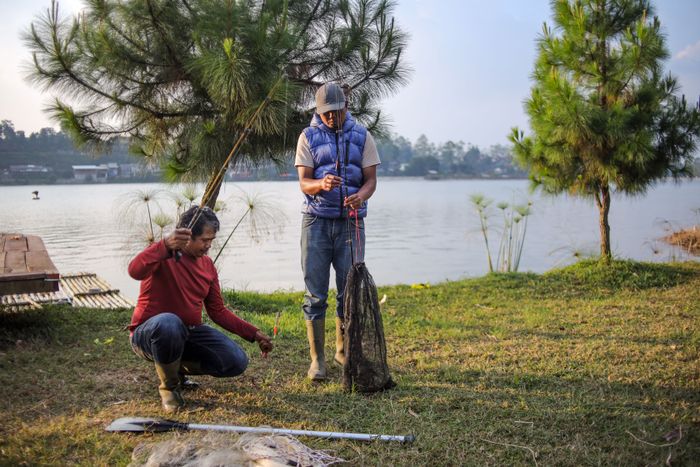
The Lake Erie region offers some of the most productive guided fishing trips in the Great Lakes, with experienced captains running proven programs throughout the season. These trips are designed for consistency, comfort, and high catch rates, making them ideal for anglers of all experience levels.
Key species targeted:
Yellow Perch
Smallmouth Bass
Why anglers choose these trips:
Family-friendly outings with flexible trip lengths
Calm-water options in protected areas
Professional instruction for beginners
High success rates using trolling and jigging techniques
Well-equipped boats and quality gear provided
This combination of expert guidance and reliable fisheries makes Lake Erie one of the most popular destinations for guided freshwater fishing.
Lake Michigan – Salmon & Trout Hotspot
Lake Michigan is one of the premier destinations in the Great Lakes for anglers chasing hard-fighting salmon and trout. Its deep, cold waters support strong seasonal migrations, drawing King (Chinook) Salmon and Coho Salmon close to shore during peak months. These powerful fish provide fast-paced action and are a major reason anglers book guided fishing trips on Lake Michigan year after year.
Best Guided Charters on Lake Michigan
Lake Michigan guided fishing charters are built around seasonal salmon and trout runs, offering anglers fast-paced action and trophy potential throughout the year. Experienced captains track water temperatures, bait movement, and migration patterns to consistently put anglers on fish.
Key species targeted:
Coho Salmon
Steelhead
Why anglers choose these trips:
Peak seasonal salmon and trout runs
Proven trolling programs for deep and nearshore waters
Opportunities for trophy-sized fish
Professional captains with lake-specific expertise
Well-equipped boats and premium tackle provided
This combination of timing, technique, and local knowledge makes Lake Michigan one of the top Great Lakes destinations for guided salmon and trout fishing.
Other Great Lakes & Unique Guided Opportunities
Beyond Lakes Erie and Michigan, the wider Great Lakes region offers outstanding guided fishing opportunities on Lake Huron, Lake Ontario, Lake Superior, and their connected waters. Many experienced guides operate across these lakes, focusing on less-pressured fisheries and specialized trips that appeal to anglers seeking variety and unique challenges.
Lake Huron, Ontario, Superior and Beyond
Guided fishing trips on the outer Great Lakes and connected waters offer anglers access to less-pressured fisheries and specialized experiences beyond the most popular ports. These trips are often tailored around seasonal movements and unique water conditions, creating opportunities that differ from lake to lake.
Key species targeted:
Northern Pike
Lake Trout
Why anglers choose these trips:
Productive river and tributary Steelhead runs
Deep offshore fishing for Lake Trout
Expansive waters with lighter fishing pressure
Seasonal Northern Pike opportunities in bays and shallows
Specialized trips focused on rivers, tributaries, and offshore zones
These guided experiences showcase the full diversity of the Great Lakes and reward anglers looking to explore beyond traditional charter destinations.
Tips for Booking the Perfect Guided Trip
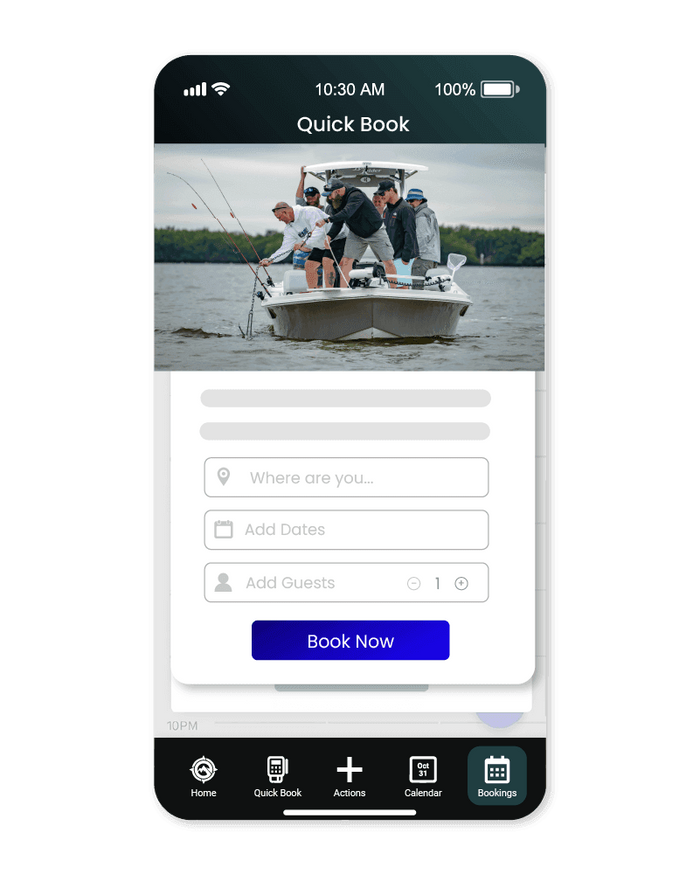
Planning ahead is key to getting the most out of your time on the water in the Great Lakes. From seasonal demand to changing conditions, smart preparation helps anglers choose the right guide, target the right species, and enjoy a smooth experience. These are the most important Great Lakes fishing trip tips to follow when deciding what to bring on a fishing charter and the best season to book a guided fishing trip in the Great Lakes:
Book Early: Popular Great Lakes fishing charters fill quickly during peak seasons, so reserving early ensures access to top guides, preferred dates, and prime fishing windows.
Check Weather & Safety: Great Lakes weather can shift rapidly, making it essential to confirm safety plans, vessel readiness, and backup options with your captain before departure.
Confirm Species & Techniques: Ask guides about current species availability and methods like trolling, jigging, or drift fishing to match seasonal patterns and personal fishing goals.
Pack the Essentials: Bring a cooler, valid fishing license, weather-appropriate clothing, and personal items so you stay comfortable and prepared throughout your guided fishing trip.
Fishing Techniques You Might Experience
Guided fishing trips in the Great Lakes expose anglers to a wide range of proven techniques designed for big water and diverse species. Trolling is one of the most common methods, especially for salmon, trout, and walleye, allowing guides to cover large areas and locate active fish. Jigging and bait fishing are frequently used in shallower zones and near structure, offering precise control when fish are holding tight. Casting techniques come into play for smallmouth bass, northern pike, and nearshore action, delivering hands-on excitement and versatility.
Professional guides adapt these techniques throughout the trip based on weather, water clarity, depth, and fish behavior. Drift fishing may be introduced when conditions allow, helping anglers naturally present baits in productive areas. Along the way, guides explain why each technique works, adjust setups in real time, and coach anglers through every step, making the experience both productive and educational.
Best Time to Go: A Seasonal Fishing Guide
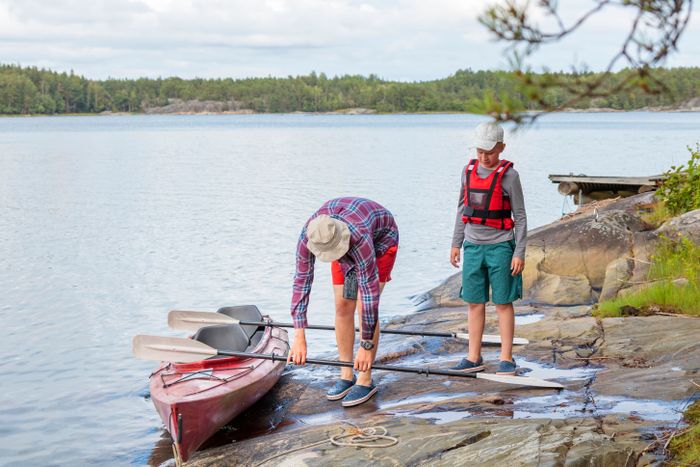
The Great Lakes offer productive fishing opportunities throughout the year, but timing your trip around seasonal patterns can make a significant difference. Water temperature, fish movement, and forage availability all influence when certain species are most active, which is why many anglers plan trips around peak seasons.
Spring – Walleye Season: Spring is ideal for targeting Walleye, especially on Lake Erie, as fish move into shallower waters after spawning, creating consistent and aggressive bites.
Summer – Salmon & Trout Trolling: Summer is peak time for King Salmon, Coho Salmon, Steelhead, and Lake Trout, with guided charters focusing on deep-water trolling in cooler zones.
Fall – Transition Fishing: Fall brings mixed-species opportunities as fish transition toward rivers and nearshore areas, making it a great season for variety and changing techniques.
Winter – Ice Fishing (Where Available): In colder northern areas, ice fishing extends the season, offering unique guided experiences when conditions are safe and stable.
Local Fishing Culture & Community Highlights
The Great Lakes region is deeply rooted in fishing culture, with lakeside towns and ports built around generations of anglers, charter captains, and seasonal fisheries. From early-morning dockside launches to local bait shops sharing daily reports, fishing is part of everyday life across the region. Visiting anglers quickly become part of this community, experiencing traditions that go well beyond time spent on the water.
Events like the National Trout Festival in Michigan highlight the region’s strong connection to its fisheries and often coincide with peak fishing seasons. These gatherings celebrate local waters through tournaments, family activities, and community events, making them an excellent time to plan a guided trip. Combined with fresh fish restaurants, waterfront festivals, and welcoming harbor towns, the Great Lakes offer an authentic fishing experience that continues long after the rods are put away.
Conclusion
The Great Lakes region offers some of the most rewarding freshwater fishing experiences in the world, combining diverse species, massive waters, and expert local knowledge. From Lake Erie’s legendary walleye action to Lake Michigan’s powerful salmon and trout runs, guided fishing trips help anglers make the most of every season and condition. With professional captains handling navigation, gear, and techniques, anglers can focus on learning, catching fish, and enjoying the experience. Whether you are planning a family outing or chasing trophy fish, booking the right guide makes all the difference. Find Great Lakes fishing guides and charters on Guidesly and explore trusted trips, verified reviews, and easy booking all in one place.
FAQs
1. What is usually included in a guided fishing trip?
Guided trips typically include boat, fuel, tackle, bait, safety gear, and captain services, but anglers should confirm licenses, food, gratuities, and fish cleaning policies beforehand.
2. When should I book a Great Lakes fishing charter?
Peak booking times vary by lake, but summer weekends sell fastest, so reserving several weeks ahead improves availability, pricing options, and preferred departure times significantly.
3. Are guided Great Lakes trips suitable for beginners?
Most Great Lakes charters accommodate beginners by providing instruction, patient guidance, and simple techniques, making trips enjoyable for first-time anglers without prior fishing experience required.
4. Do I need a fishing license for a guided charter?
Licensing rules depend on location, as anglers must carry valid state or provincial fishing licenses matching launch waters, even when booking fully guided charter trips.
5. What happens if weather cancels my fishing trip?
Weather cancellations are handled by individual captains, who may reschedule, refund, or adjust trips, so reviewing cancellation policies before booking helps avoid confusion later fees.
6. Can kids join guided fishing trips on the Great Lakes?
Children are welcome on many charters, but age limits, life jacket requirements, and trip lengths vary, so parents should discuss suitability directly with guides beforehand.
7. What is the difference between private and shared fishing charters?
Private charters reserve the entire boat for your group, while shared trips combine anglers, offering lower costs but less flexibility in scheduling and fishing preferences.
8. Is tipping expected on Great Lakes fishing charters?
Tipping is customary but not mandatory, with gratuities commonly based on service quality, effort, and experience, typically ranging between fifteen and twenty percent of trip.
9. Are morning or afternoon fishing trips better?
Morning departures often provide calmer conditions and active fish, while afternoon trips can work well seasonally, making start times a strategic planning decision for anglers.
10. Why should I book a guide online instead of locally?
Booking online platforms allow anglers to compare guides, availability, reviews, and trip details quickly, simplifying decision-making without extensive phone calls or local research efforts required.