Saltwater vs Freshwater Fishing: Key Differences Explained
Discover the differences between freshwater and saltwater fishing, from gear and techniques to fish species, and plan your next fishing adventure with Guidesly.

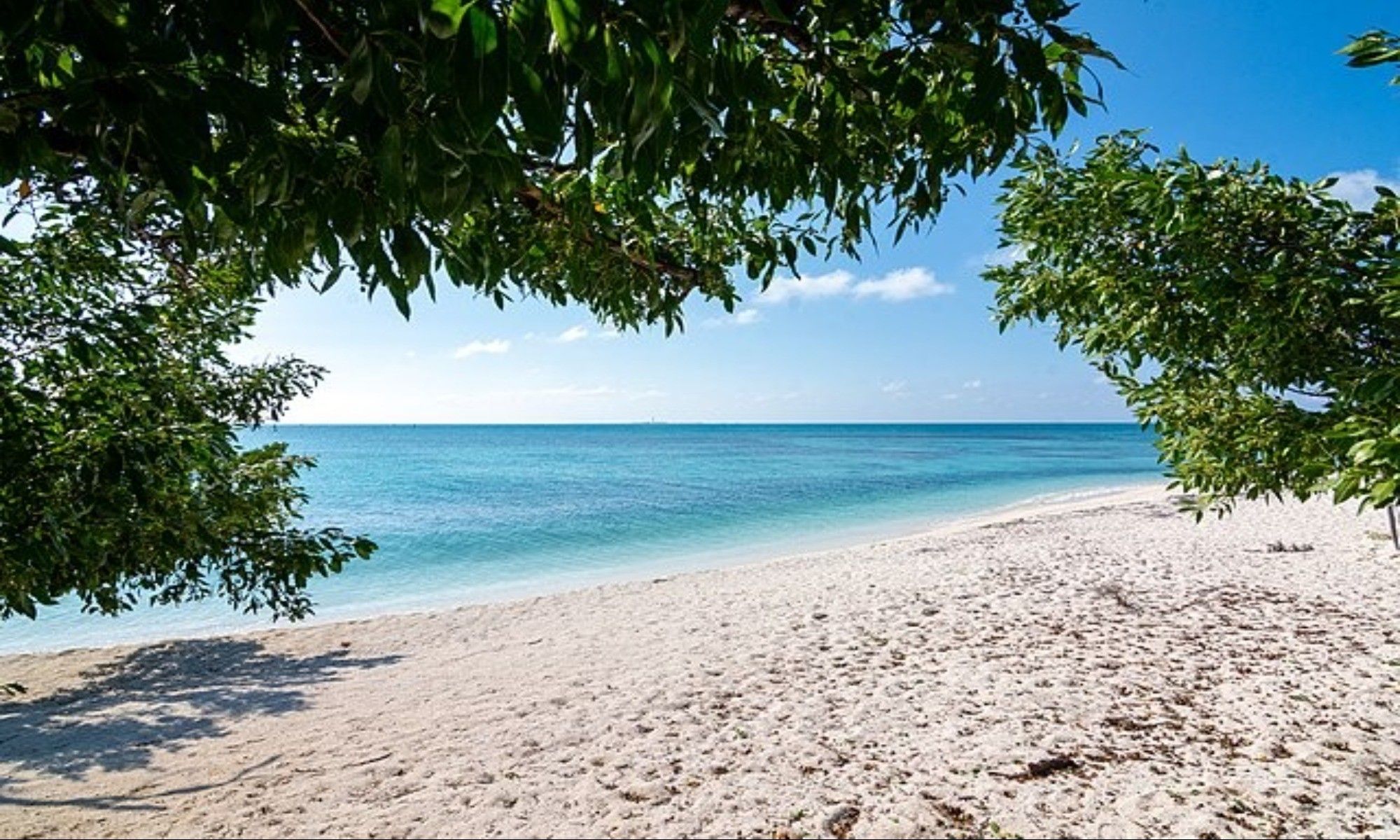


Whether you’re an experienced angler or just picking up your first rod, the debate between saltwater vs freshwater fishing is one every fisherman faces. Imagine the thrill of battling a roaring tarpon off the coast versus the satisfaction of reeling in a feisty largemouth bass from a quiet lake both are fishing, yet worlds apart. From the gear you need and the techniques you use, to the species you can target, the differences between saltwater and freshwater fishing can make or break your angling experience. In this guide, we’ll break down the key distinctions in fishing gear, strategies, and fish species, so you can choose the right environment for your next adventure, sharpen your skills, and make every catch count.
What Defines “Freshwater” vs “Saltwater” Fishing Environments
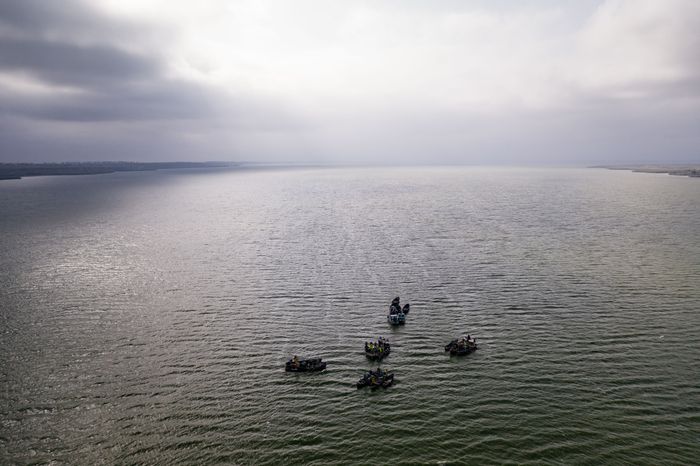
The main difference between freshwater and saltwater fishing environments lies in the type of water and the conditions it creates for fish and anglers. Freshwater fishing takes place in lakes, rivers, streams, and ponds where the salt content is low. These environments are generally calmer and shallower, often featuring vegetation, submerged logs, rocks, and other structures that provide natural habitats for fish. Water movement depends on currents, rainfall, or seasonal changes, which affects where and how fish feed. Freshwater fishing is well-suited for species like bass, trout, pike, panfish, and catfish and is often more accessible for beginners.
Saltwater fishing, in contrast, occurs in oceans, seas, and coastal areas, including inshore bays, reefs, and offshore waters. Saltwater environments are dynamic, influenced by tides, currents, wind, and waves. These conditions create a wide variety of habitats, from shallow flats to deep drop-offs, supporting species such as tuna, marlin, snapper, redfish, and tarpon. Fishing in saltwater requires gear that can handle salt corrosion, heavier fish, and stronger currents.
Understanding the differences between these environments is important because they influence fishing techniques, gear selection, and target species. Freshwater fishing often emphasizes finesse and precision, while saltwater fishing demands durability, strength, and adaptability. Knowing the environment helps anglers make informed choices about tackle, bait, and strategy for a successful fishing experience.
Saltwater vs Freshwater Fishing: Key Differences at a Glance
Freshwater and saltwater fishing differ in gear, techniques, species, and overall experience. Understanding these core differences helps anglers choose the right environment for their skills and goals. The table below highlights these distinctions at a glance.
Category | Freshwater Fishing | Saltwater Fishing |
|---|---|---|
Gear & Tackle | Light to medium rods and reels, lighter lines, minimal corrosion concerns, and simple maintenance. | Heavier rods and reels, corrosion-resistant materials, braided or heavy lines, frequent rinsing, and upkeep are required. |
Fishing Techniques | Precision casting, finesse presentations, structure-based fishing around weeds, rocks, and cover. | Distance casting, trolling, jigging, drift fishing, adapting to tides, currents, and moving water. |
Target Species | Bass, trout, panfish, catfish, pike, muskie, carp. | Tuna, marlin, snapper, grouper, redfish, tarpon, mahi-mahi, shark. |
Pros & Cons | Easier access, lower cost, beginner-friendly, calmer conditions, but smaller fish and less variety. | Bigger fish, more species diversity, higher excitement, but higher cost, tougher conditions, and steeper learning curve. |
Gear & Tackle: How Saltwater and Freshwater Setups Differ
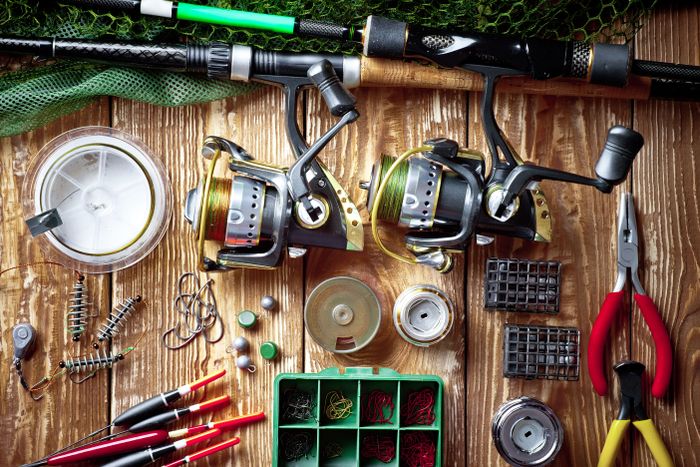
Choosing the right gear is one of the most important factors in fishing success. Saltwater vs freshwater fishing requires different rods, reels, lines, and terminal tackle because the environment and target species dictate strength, durability, and performance. While freshwater fishing often relies on lighter, more delicate equipment for precision and finesse, saltwater fishing demands robust, corrosion-resistant gear to handle larger, stronger fish and challenging conditions. Understanding these differences can save you frustration, improve your catch rates, and ensure your equipment lasts longer.
Here’s a detailed comparison of saltwater and freshwater fishing setups:
1. Rod Type & Strength
Freshwater: Uses light to medium rods such as spinning, baitcasting, and fly rods. Designed for finesse, accuracy, and controlled presentations in lakes, rivers, and streams.
Saltwater: Requires medium to heavy rods that are longer and stronger. Built to handle powerful fish, heavy lures, strong currents, and long fights in open water.
2. Reel Type
Freshwater: Commonly uses spinning, baitcasting, or fly reels suited for lighter loads and shorter runs. These reels prioritize smooth retrieves and precision control.
Saltwater: Uses spinning or conventional reels with sealed, corrosion-resistant components and higher drag systems to manage strong fish and salt exposure.
3. Line
Freshwater: Typically uses monofilament or fluorocarbon lines between 2 and 12 lb test, offering sensitivity and easy handling for smaller species.
Saltwater: Relies on heavier braided or fluorocarbon lines, often 15 to 80 lb test, designed to resist abrasion and handle long, powerful runs.
4. Hooks
Freshwater: Uses small to medium plain steel hooks suitable for bass, trout, panfish, and similar species.
Saltwater: Requires larger, corrosion-resistant hooks capable of withstanding aggressive fish and harsh saltwater conditions.
5. Lures & Baits
Freshwater: Uses soft plastics, spinnerbaits, crankbaits, and live bait, focusing on natural movement and subtle presentation to trigger strikes.
Saltwater: Uses metal jigs, poppers, hard baits, and live or frozen bait built for visibility, durability, and effectiveness in moving water.
6. Terminal Tackle
Freshwater: Uses light sinkers, swivels, and leaders to support finesse rigs and controlled presentations around structure and vegetation.
Saltwater: Uses heavy-duty sinkers, swivels, and wire leaders designed to manage strong currents, depth, and larger, more powerful fish.
7. Maintenance
Freshwater: Requires minimal maintenance, usually limited to occasional cleaning and inspection after trips in non-corrosive freshwater environments.
Saltwater: Requires rinsing after every trip and frequent lubrication to prevent corrosion caused by saltwater exposure and harsh conditions.
8. Cost
Freshwater: Gear is generally more affordable, making it accessible for beginners, casual anglers, and those fishing frequently on a budget.
Saltwater: Gear is typically more expensive due to corrosion-resistant materials, sealed components, and heavier construction required for challenging environments.
Fishing Techniques: What Works in Freshwater vs Saltwater

Fishing techniques are closely tied to the environment and the species you target. Freshwater vs saltwater fishing techniques differ because of water conditions, fish behavior, and gear requirements. Freshwater fishing often emphasizes precision, finesse, and patience, while saltwater fishing involves handling stronger currents, larger fish, and variable conditions. Understanding the right approach for each environment ensures higher success rates and a more enjoyable experience.
Here’s a detailed comparison of fishing techniques for freshwater and saltwater environments:
Casting Techniques
Freshwater: Uses spin casting, baitcasting, and fly casting, focused on accuracy, controlled placement, and precise presentation around cover, structure, shorelines, and confined fishing areas.
Saltwater: Uses surfcasting, pier casting, and boat casting, emphasizing long-distance power to reach offshore fish, deeper water, moving schools, and current-driven feeding zones.
Bait & Lure Presentation
Freshwater: Uses live bait, soft plastics, crankbaits, and spinnerbaits with subtle action and natural movement to trigger strikes in calm, clear, and lightly moving water.
Saltwater: Uses metal jigs, poppers, plugs, and live or frozen bait designed for high visibility, vibration, and durability in strong currents and rough conditions.
Fishing Locations
Freshwater: Occurs in lakes, rivers, streams, and ponds, often allowing shoreline access, wading opportunities, or small boats for controlled and accessible fishing conditions.
Saltwater: Occurs in coastal bays, reefs, and offshore waters, often requiring boats, piers, or specialized rigs to reach productive fishing areas consistently.
Techniques for Depth
Freshwater: Uses bottom fishing, float fishing, and jigging to target fish holding near vegetation, submerged structure, drop-offs, and consistent depth zones.
Saltwater: Uses bottom fishing, trolling, deep jigging, and drift fishing to reach fish holding deeper in open water with strong currents.
Targeted Movements
Freshwater: Focuses on slow, precise retrieves and subtle jigging movements that imitate natural prey behavior and entice cautious freshwater species to strike.
Saltwater: Uses aggressive retrieves, steady trolling speeds, and casting into moving water to provoke reaction strikes from fast, powerful saltwater fish.
Environmental Adaptation
Freshwater: Adapts to calm water conditions, vegetation cover, submerged structure, and seasonal behavior patterns that influence fish positioning and feeding activity.
Saltwater: Adapts to tides, waves, currents, reefs, and changing weather conditions, requiring constant adjustment to water movement and fish behavior.
Special Techniques
Freshwater: Includes fly fishing for trout or panfish, focusing on precise presentations, matching insect hatches, reading currents, and delicate line control.
Saltwater: Includes offshore trolling for tuna and reef fishing for snapper, requiring heavy tackle, boat positioning, teamwork, and coordinated fishing strategies.
Target Species: What You Can Catch- Freshwater vs Saltwater
The fish you can catch largely depends on whether you’re fishing in freshwater or saltwater environments. Each setting hosts a unique variety of species with different sizes, behaviors, and habitats. Freshwater fishing often involves smaller, more predictable species that thrive in lakes, rivers, and ponds, while saltwater fishing offers larger, more aggressive fish in oceans, bays, and reefs. Knowing the differences in target species helps anglers choose the right gear, techniques, and locations for a successful fishing experience.
Here’s a detailed comparison of common freshwater and saltwater fish species:
Popular Species
Freshwater: Common species include largemouth and smallmouth bass, rainbow and brown trout, panfish like bluegill and crappie, plus pike, muskie, catfish, and carp.
Saltwater: Common species include tuna, marlin, snapper, grouper, mahi-mahi, redfish, tarpon, and sharks found across coastal, reef, and offshore saltwater environments.
Size & Strength
Freshwater: Fish are generally small to medium in size, offering moderate fights that suit lighter tackle and provide manageable challenges for beginner and intermediate anglers.
Saltwater: Fish range from medium to very large, delivering powerful fights that demand heavier rods, stronger reels, and high-test lines to withstand intense pressure.
Behavior & Habitat
Freshwater: Fish often stay near vegetation, submerged structures, shallow flats, and cover where food and protection are available throughout seasonal changes.
Saltwater: Fish commonly inhabit reefs, drop-offs, open water, and current-driven zones where tides and structure influence feeding behavior and movement patterns.
Feeding Patterns
Freshwater: Feeding activity is less affected by tides and follows more predictable daily and seasonal patterns influenced by temperature, light, and available forage.
Saltwater: Feeding behavior is strongly influenced by tides, currents, moon phases, and seasonal migrations, requiring anglers to time trips carefully.
Catch Difficulty
Freshwater: Catch difficulty is moderate, making freshwater fishing suitable for beginners and intermediate anglers, learning techniques, and building confidence.
Saltwater: Catch difficulty is greater, often requiring experience, physical endurance, advanced techniques, and specialized gear to land powerful fish successfully.
Preferred Baits & Lures
Freshwater: Uses live bait like worms or minnows, along with soft plastics, crankbaits, and spinnerbaits matched to species behavior and water clarity.
Saltwater: Uses live or frozen bait, metal jigs, plugs, poppers, and cut bait designed for visibility, scent, and performance in moving water.
Special Considerations
Freshwater: Success depends on seasonal growth cycles, water clarity, vegetation cover, and understanding how environmental changes affect fish positioning.
Saltwater: Success depends on tides, currents, water depth, and choosing between offshore or inshore locations based on weather and target species behavior.
Pros & Cons: Freshwater vs Saltwater Fishing (What to Expect)
Every type of fishing has its advantages and challenges, and understanding the pros and cons of freshwater vs saltwater fishing can help anglers make informed decisions. Freshwater fishing is often more accessible, budget-friendly, and ideal for beginners or casual anglers, while saltwater fishing offers bigger fish, a wider variety of species, and a more adventurous experience. Knowing what to expect from each environment allows you to choose the right fishing trips, gear, and techniques for your goals.
Here’s a detailed comparison of freshwater and saltwater fishing pros and cons:
Accessibility
Freshwater: Fishing locations are easily accessible through lakes, rivers, ponds, and streams, making trips convenient, local, and suitable for spontaneous fishing without extensive travel planning.
Saltwater: Fishing often requires travel to coastal areas, bays, or offshore waters, sometimes needing boats or charters, which demands advance planning and logistical preparation.
Target Species Variety
Freshwater: Offers a moderate variety of species such as bass, trout, panfish, catfish, and carp, providing consistent fishing opportunities without overwhelming complexity.
Saltwater: Offers a wide variety of species, including tuna, marlin, snapper, redfish, tarpon, and sharks, appealing to anglers seeking diversity and bigger challenges.
Gear Cost & Maintenance
Freshwater: Gear costs are generally lower, and maintenance needs are minimal, making freshwater fishing more affordable and beginner-friendly in the long term.
Saltwater: Gear costs are higher due to corrosion-resistant materials, with frequent cleaning and maintenance required to protect equipment from saltwater damage.
Fishing Difficulty
Freshwater: Fishing difficulty is moderate, allowing beginners to learn techniques, practice skills, and gain confidence without managing extreme conditions or complex setups.
Saltwater: Fishing difficulty is greater, requiring advanced skills, physical endurance, and understanding tides, currents, and fish behavior in challenging environments.
Environmental Factors
Freshwater: Fishing conditions are usually calmer and more predictable, influenced mainly by seasonal changes, water temperature, and weather patterns.
Saltwater: Fishing conditions involve tides, currents, waves, wind, and deeper water, requiring constant adaptability and environmental awareness for success.
Catch Size & Strength
Freshwater: Fish are generally smaller with moderate fighting strength, offering relaxed fishing experiences suitable for learning and casual enjoyment.
Saltwater: Fish are larger and significantly stronger, producing longer, more demanding fights that deliver excitement and physical challenge.
Learning Curve
Freshwater: Learning curve is easier, with simple techniques often producing results, making freshwater fishing ideal for beginners, and developing foundational skills.
Saltwater: Learning curve is steeper, requiring specialized techniques such as trolling and jigging, along with experience managing boats and offshore conditions.
Family & Group-Friendly
Freshwater: Highly family-friendly due to calm water, predictable conditions, and safer environments suitable for children, groups, and first-time anglers.
Saltwater: Moderately family-friendly, requiring safety planning, experienced supervision, and sometimes guided trips due to boats, waves, and offshore risks.
What to Know Before You Choose: Key Considerations
Choosing between freshwater and saltwater fishing involves more than personal preference. Factors like gear, skill level, location, target species, and environmental conditions can greatly affect your success and enjoyment. Understanding these considerations ahead of time ensures you select the right fishing trips, techniques, and equipment for the type of experience you want.
Freshwater Fishing Considerations
Freshwater fishing is generally more accessible and beginner-friendly, but certain factors still require attention to make your trip successful:
Gear and Tackle: Use light to medium rods, reels, and lines suited for species like bass, trout, and panfish.
Accessibility: Lakes, rivers, ponds, and streams are often easy to reach, offering convenient options for day trips or family outings.
Target Species: Species are generally smaller and less aggressive, making them ideal for learning fishing techniques.
Seasonal Factors: Water levels, temperature, and vegetation can affect fish activity; check local conditions before planning a trip.
Cost & Maintenance: Freshwater gear is typically lower in cost and requires minimal maintenance.
Learning Curve: Techniques such as spinning, baitcasting, or fly fishing are easier to master in calm freshwater conditions.
Saltwater Fishing Considerations
Saltwater fishing offers bigger challenges, diverse species, and adventurous experiences, but it demands more preparation and knowledge:
Gear and Tackle: Invest in corrosion-resistant rods, reels, lines, and hooks designed for larger fish and harsh saltwater conditions.
Location & Access: Coastal bays, reefs, and offshore waters may require a boat, guiding services, or travel to reach productive fishing spots.
Target Species: Expect larger, stronger fish such as tuna, marlin, snapper, and tarpon, which require specialized techniques.
Environmental Factors: Tides, currents, waves, and wind heavily influence success; anglers must monitor weather and water conditions.
Cost & Maintenance: Saltwater gear is generally more expensive and requires regular cleaning and lubrication to prevent corrosion.
Skill Level: Advanced techniques like trolling, jigging, surfcasting, and offshore fishing are essential; preparation and experience improve success.
When to Use Each: Who Should Go Freshwater, Who Should Go Saltwater
Knowing when to choose freshwater or saltwater fishing can make a big difference in your experience. Your choice should depend on factors like skill level, goals, desired challenge, location, and type of fish you want to catch. By understanding who benefits most from each environment, you can plan a fishing trip that maximizes enjoyment, success, and efficiency.
Freshwater Fishing: Best For
Freshwater fishing is ideal for anglers seeking accessible locations, easier techniques, and moderate fish sizes. It works well for:
Beginners: Easier techniques like spinning, baitcasting, or fly fishing make learning faster and more rewarding.
Casual Anglers: Perfect for relaxed day trips, weekend fishing, or family outings.
Budget-Conscious Anglers: Lower-cost gear and minimal maintenance make freshwater fishing economical.
Local or Urban Fishing: Lakes, rivers, and ponds are often close to home, requiring minimal travel.
Targeted Learning: Provides a good environment to practice techniques, understand fish behavior, and develop skills before attempting saltwater fishing.
Saltwater Fishing: Best For
Saltwater fishing is suited for those looking for adventure, bigger fish, and more challenging environments. Ideal candidates include:
Experienced Anglers: Requires knowledge of tides, currents, and advanced techniques like trolling, jigging, or surfcasting.
Adventure Seekers: Offshore or deep-sea fishing provides excitement, unpredictable conditions, and larger fish.
Species-Focused Anglers: Those targeting species like tuna, marlin, snapper, or tarpon will benefit from saltwater fishing opportunities.
Long-Term Commitment: Requires investment in high-quality, corrosion-resistant gear and careful maintenance.
Skill Development: Great for anglers looking to improve advanced fishing strategies and handle challenging environments.
How Guidesly Can Help
Finding the right fishing guide, location, or technique can make all the difference between a successful trip and a frustrating day on the water. Guidesly connects anglers with experienced fishing guides across freshwater and saltwater environments, helping you get the most out of your time and investment. Whether you’re targeting bass in a local lake or chasing marlin offshore, Guidesly makes it easy to plan, book, and enjoy your fishing adventure with confidence.
Here’s how Guidesly enhances your fishing experience:
Access to Expert Guides: Browse verified freshwater and saltwater fishing guides who know the best spots, techniques, and species in your area.
Customizable Fishing Trips: Choose trips that match your skill level, target species, and preferred environment, whether you’re a beginner or an experienced angler.
Comprehensive Resources: Guidesly offers tips on fishing gear, tackle, bait, and techniques to help you prepare for any fishing environment.
Convenient Booking & Planning: Easily compare guides, read reviews, and book trips online for both freshwater and saltwater adventures.
Learn While You Fish: Gain insider knowledge from guides about local fish behavior, seasonal patterns, and environmental factors that affect your success.
By using Guidesly, you can skip the guesswork, avoid costly mistakes, and focus on what matters most catching more fish and enjoying the perfect fishing experience, whether in freshwater or saltwater.
Conclusion
Freshwater and saltwater fishing each offer their own unique experiences, from gear and techniques to the fish you can catch. Freshwater trips are perfect for beginners, casual anglers, and family-friendly outings, while saltwater adventures provide bigger challenges, larger species, and the thrill of open waters. Knowing the differences in fishing gear, techniques, and target species helps you plan a trip that’s enjoyable and successful. For a smoother experience and better results, Guidesly connects you with expert fishing guides, helps plan your trips, and provides tips for both freshwater and saltwater fishing. Make your next fishing adventure easier and more rewarding with Guidesly.
FAQs
Q1: What is the main difference between freshwater and saltwater fishing?
Freshwater fishing occurs in lakes, rivers, and ponds, targeting smaller species. Saltwater fishing happens in oceans and bays with larger, stronger, and more diverse fish.
Q2: Can I use the same fishing gear for both freshwater and saltwater?
No. Saltwater is corrosive and requires heavier, corrosion-resistant rods, reels, and lines. Freshwater gear isn’t designed for these harsh conditions.
Q3: Which environment is better for a beginner freshwater or saltwater?
Freshwater is easier for beginners due to calmer waters, smaller fish, simpler gear, and accessible locations, making learning basic techniques easier.
Q4: Does saltwater fishing catch larger or more diverse species than freshwater?
Yes. Saltwater provides larger, stronger fish and greater species variety, from reef fish to pelagic predators like tuna and marlin.
Q5: Do techniques differ dramatically between freshwater and saltwater fishing?
Yes. Freshwater emphasizes finesse, light tackle, and subtle lure action, while saltwater requires heavy tackle, long casts, and adapting to tides and currents.
Q6: Is the cost of getting started higher for saltwater fishing?
Yes. Saltwater gear is more expensive, requires corrosion resistance, and often involves travel or boats, unlike affordable freshwater fishing setups.
Q7: Can saltwater fishing be done from the shore?
Yes. Shore-based saltwater fishing works via piers, surf, or estuaries, but offshore species often require boats or guided trips.
Q8: How do water conditions affect saltwater vs freshwater fishing?
Saltwater fishing depends on tides, currents, and waves, while freshwater fishing is more predictable, influenced mainly by weather, season, and water clarity.
Q9: Is it easier to find freshwater fishing spots inland?
Yes. Lakes, rivers, and ponds are widely available, while saltwater fishing requires coastal access, making freshwater more practical for inland anglers.
Q10: Can an angler move from freshwater to saltwater fishing?
Yes. Beginners can start in freshwater, then transition to saltwater with heavier gear, stronger tackle, and knowledge of tides, currents, and larger fish.