Top 10 Fishing Destinations in the USA
Explore the top 10 fishing destinations in the USA with species details, best seasons, water conditions, and travel tips to plan your next fishing trip.
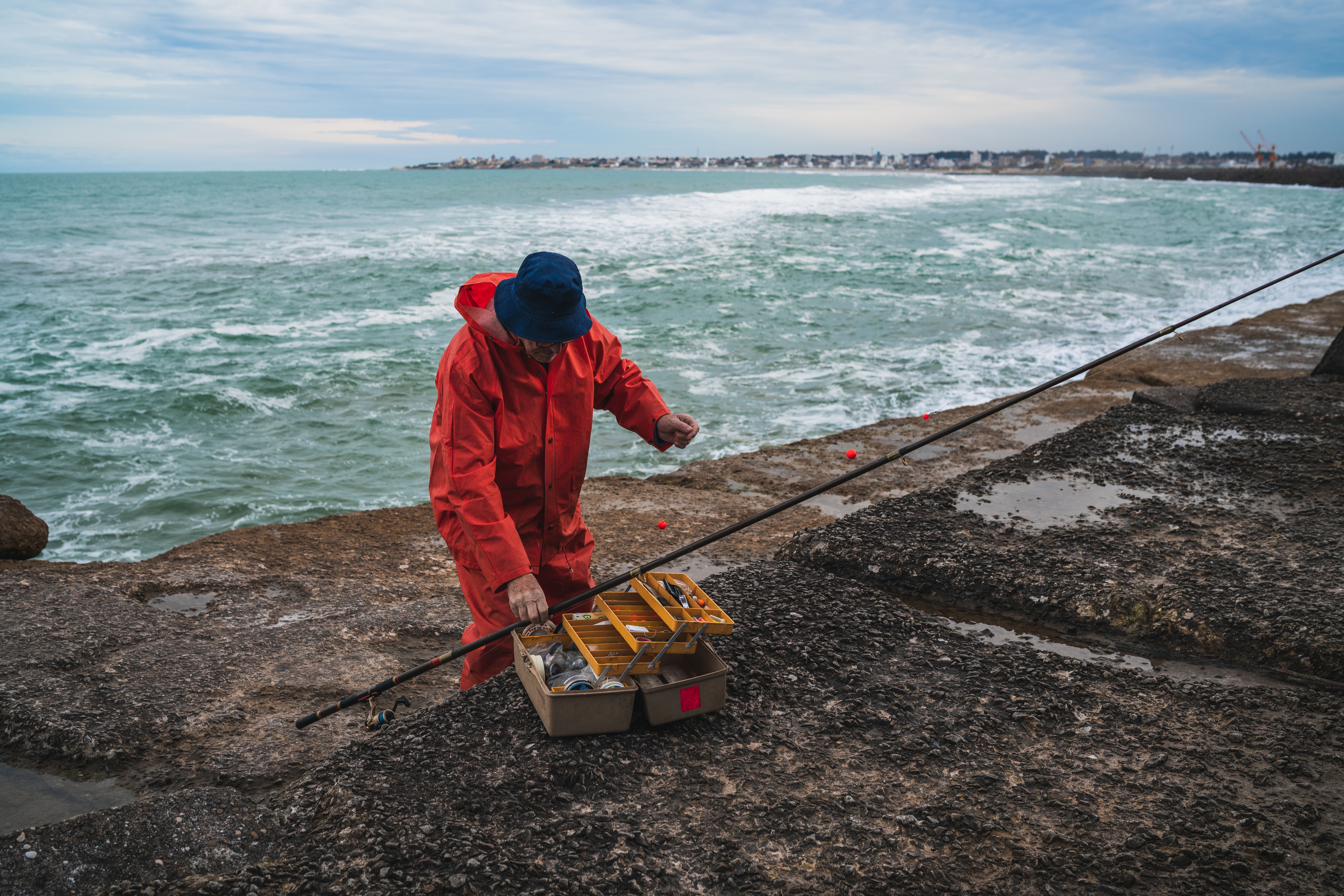


The United States offers an exceptional variety of waters shaped by climate, geography, and seasonal shifts that influence how fish behave throughout the year. Coastal regions respond to tides, wind, and salinity, while inland rivers depend on flow strength, clarity, and temperature cycles that guide migrations. Large lakes form layered zones that determine where predators hold, and offshore canyons attract pelagic species following currents and bait movement. Across warm southern flats and cold northern rivers, feeding patterns change with subtle environmental cues. This diversity is why US fishing continues to draw anglers who study how habitat structure, water conditions, and seasonal rhythms affect daily movement and overall availability of different species.
How Location, Season, and Water Conditions Shape Fishing in the USA?
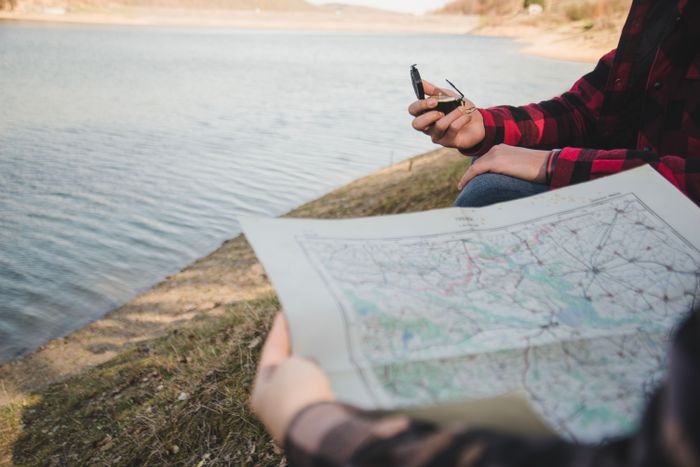
Fishing behavior across the United States shifts with temperature changes, migration patterns, habitat type, and regional climate. Warm southern waters maintain consistent activity as species remain active through much of the year, while northern systems rely heavily on seasonal windows when salmon, trout, and steelhead enter rivers or move along lake structures. Coastal regions change rapidly with tides, salinity, and wind direction, influencing how fish position around flats, channels, marsh edges, and ledges. Inland rivers depend on flow strength and clarity, which determine how fish hold in seams, pools, or deeper runs. Deep lakes and reservoirs develop temperature bands that guide predator movement through the water column. Together, these factors create distinct patterns that influence timing, access, and technique across different regions.
A Look at the USA’s Most Productive Fishing Regions
Each destination offers distinct fishing behavior shaped by habitat, climate, and seasonal patterns. Here are ten productive fishing regions shaped by unique habitats, climate patterns, and seasonal movement.
Destination | Primary Habitat Type | Notable Seasonal Pattern / Why It’s Preferred |
|---|---|---|
Florida Keys, FL | Shallow flats, reefs, backcountry channels | Warm months offer steady movement; clear water supports high-quality sight-casting |
Outer Banks, NC | Surf zones, tidal cuts, inlets | Strong spring/fall transitions push large predators close to shore |
Kenai River, AK | Glacial river channels and deep runs | Intense summer migrations bring powerful salmon into accessible stretches |
Lake Michigan | Deep open-water, temperature-layered basins | Late-summer thermoclines concentrate salmon and trout for consistent trolling |
Chesapeake Bay | Brackish tidal estuary with channels & points | Spring/fall migrations create reliable striped bass movement along contours |
Columbia River | Large, flow-controlled river with deep seams | Flow changes shape predictable salmon routes and seasonal holding areas |
Lake Okeechobee, FL | Shallow grass beds, reed lines, marsh flats | Winter–spring warming triggers strong bass activity on vegetation edges |
Bighorn River, MT | Clear tailwater with gentle currents | Warm months produce dependable insect hatches and active trout feeding |
Marshes, grass flats, shallow bays | Fall redfish schooling; consistent inshore activity throughout the year | |
San Diego Offshore, CA | Deep offshore canyons, pelagic corridors | Warm-water currents push tuna and dorado north in summer–fall |
Top Fishing Destinations in the USA
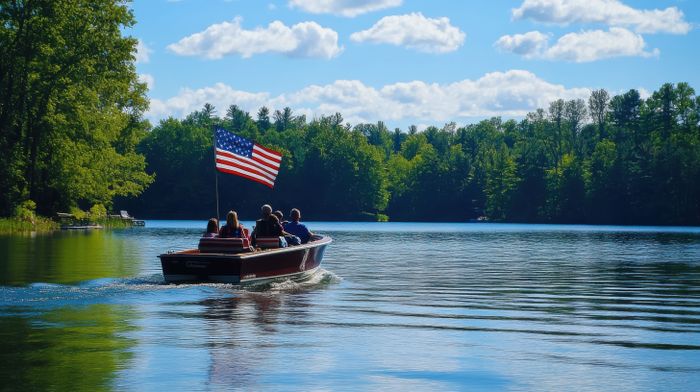
The United States offers a remarkable variety of fishing environments, from shallow coastal flats to deep freshwater lakes and fast-moving rivers. Each destination provides unique habitat, seasonal patterns, and species diversity, giving anglers reliable opportunities and memorable fishing experiences across the country.
1. Florida Keys, Florida
Warm, shallow flats and winding backcountry channels make the Florida Keys one of the most dynamic coastal fisheries in the country. Clear water, mixed bottom structure, and steady temperatures support consistent fish movement across grass beds, sand patches, and reef edges. The region’s visibility helps anglers read behavior, track cruising fish, and present baits with precision, making it a standout destination for sight-focused saltwater fishing.
Species Available
Snapper
Tarpon
Permit
Why This Destination Stands Out
Shallow, high-visibility flats allow anglers to see fish before casting, creating technical yet rewarding fishing conditions. The blend of reefs, channels, and expansive flats produces steady activity and diverse opportunities.
Water Conditions & Travel Tips
Clear, warm water with strong visibility
Afternoon wind shifts are common
Book guides early in peak seasons
Bring reliable sun protection
Technique Insight
Natural, subtle presentations work best in the Keys. Matching forage movement and minimizing disturbance are key to drawing strikes from wary fish in shallow water.
2. Outer Banks, North Carolina
The Outer Banks offer a dynamic mix of surf zones, shifting sandbars, and tidal inlets that constantly reshape where fish travel and feed. Strong currents, wave action, and shoreline structure create ideal ambush areas for powerful inshore species. Seasonal movements push predators close to accessible beaches, while protected sounds and channels provide calmer options. These varied environments make the Outer Banks a productive and adaptable coastal fishery.
Species Available
Red Drum
Bluefish
Striped Bass
Why This Destination Stands Out
Its constantly changing coastline creates fresh opportunities for anglers who enjoy reading surf structure and adapting to daily wind and tide shifts. Predators frequently move close to shore, offering exciting, accessible action.
Water Conditions & Travel Tips
Surf breaks with shifting troughs
Tidal influence along channels
Wind changes strongly impact clarity
4WD beach access is often helpful
Technique Insight
Target deeper troughs behind sandbars where bait collects. Predatory fish often patrol these zones, using wave energy and structure to ambush moving forage.
3. Kenai River, Alaska
The Kenai River is known for its powerful salmon runs, glacier-fed clarity, and cold, fast-moving channels that create challenging yet rewarding conditions for anglers. Deep pools, rocky seams, and swift current lanes shape how fish travel upstream during migration. Summer brings significant movement as salmon enter the system in waves, while resident trout use structure and changing flow speed to feed heavily throughout key seasonal windows.
Species Available
King Salmon
Silver Salmon
Rainbow Trout
Why This Destination Stands Out
Strong seasonal migrations bring large salmon into accessible stretches, offering unmatched opportunities for anglers seeking high-energy battles in rugged, pristine surroundings.
Water Conditions & Travel Tips
Cold, glacial water with a strong current
Flow varies with melt and weather
Dress in warm, layered gear
Understand species-specific regulations
Technique Insight
Focus on current seams where migrating salmon pause to conserve energy. These zones provide predictable holding areas and improve presentation control.
4. Lake Michigan
Lake Michigan offers expansive, ocean-like freshwater conditions where salmonids follow temperature changes, bait movement, and deep-water structure. Seasonal thermoclines guide predator location, and shifting winds influence surface conditions and current direction. Harbors, offshore contours, and open-water basins create diverse opportunities for trolling and multi-line spreads. The lake’s size and depth allow large predator species to thrive, making it one of the Midwest’s most productive sport-fishing environments.
Species Available
Lake Trout
Steelhead
Chinook Salmon
Why This Destination Stands Out
Temperature layering creates predictable depth zones where salmon and trout concentrate. Anglers can follow these patterns across wide open water for consistent action.
Water Conditions & Travel Tips
Deep, cold-water basins
Strong wind influence on waves
Thermocline shifts through summer
Check marine forecasts before planning
Technique Insight
Using downriggers or divers to reach stable temperature bands greatly increases success, as salmonids hold tightly to preferred thermal layers.
5. Chesapeake Bay
Chesapeake Bay’s expansive estuary system blends freshwater flow with tidal saltwater influence, creating rich feeding zones for migratory and resident species. Channels, reef structures, river mouths, and shallow flats shift activity with tide cycles, wind direction, and seasonal salinity changes. Spring and fall produce strong movement as fish migrate through predictable pathways, making the Bay a versatile destination that supports steady action across a range of conditions.
Species Available
Bluefish
White Perch
Croaker
Why This Destination Stands Out
Its massive network of channels and edges creates reliable travel routes for migratory species, helping anglers anticipate movement based on tidal rhythm and seasonal change.
Water Conditions & Travel Tips
Brackish, tidal water with shifting clarity
Strong influence from the river flow
Tide timing is crucial
Know current slot and size regulations
Technique Insight
Channel edges and drop-offs often concentrate fish during tide transitions, making these areas ideal for jigging or working soft plastics.
6. Columbia River, Oregon–Washington
The Columbia River is one of the largest and most powerful river systems in the United States, shaped by deep channels, controlled flow releases, and strong currents that guide fish movement. Seasonal changes in water volume influence how salmon migrate upriver, while resident species position along seams, ledges, and slower runs. Its mix of depth, structure, and flow variation creates a dynamic environment suited to both drifting and anchored presentations.
Species Available
Coho Salmon
Sturgeon
Walleye
Why This Destination Stands Out
Flow-controlled water creates predictable travel routes for migrating salmon, while deep channels and strong currents support large, powerful resident species.
Water Conditions & Travel Tips
Fast, controlled river flow
Depth varies with dam releases
Check flow schedules in advance
Follow local permit requirements
Technique Insight
Target transition zones where current speed shifts. These areas often hold salmon and walleye as they rest or stage before continuing upriver.
7. Lake Okeechobee, Florida
Lake Okeechobee is a shallow, vegetation-rich system where bass movement is shaped by water levels, warming trends, and dense grass lines. Broad marsh flats, reed edges, and submerged structure create natural corridors that concentrate feeding activity. Winter and early spring bring major shifts as warming water activates prespawn behavior, drawing largemouth bass into predictable staging zones throughout the lake’s expansive shallow habitat.
Species Available
Largemouth Bass
Bluegill
Black Crappie
Why This Destination Stands Out
Its vast grass flats and shallow depth support strong seasonal bass patterns, making it one of the most dependable warm-water freshwater fisheries in the country.
Water Conditions & Travel Tips
Shallow, vegetation-heavy water
Water levels shift throughout the year
Local guide knowledge is valuable
Use wind to locate clearer pockets
Technique Insight
Flipping and pitching into vegetation lines is highly effective, especially when bass move into prespawn staging areas during late winter and early spring.
8. Bighorn River, Montana
The Bighorn River is a clear, consistent tailwater fishery shaped by stable releases that maintain cool temperatures and reliable flows. Its gentle currents, weed beds, and gravel structure support healthy trout populations that feed heavily on seasonal insect hatches. High visibility allows anglers to observe subtle movements and drift patterns, creating ideal conditions for precise presentations across riffles, seams, and deeper holding runs throughout much of the year.
Species Available
Rainbow Trout
Yellow Perch
White Sucker
Why This Destination Stands Out
Predictable flows and rich insect life create steady trout activity, making the river one of the most reliable cold-water systems for both dry-fly and nymph anglers.
Water Conditions & Travel Tips
Clear, cool tailwater flow
Controlled water levels
Hatches peak in warmer months
Check flow releases before fishing
Technique Insight
Drifting nymphs along seams and transitions produces consistent results, especially when trout feed on emerging insects in softly broken water.
9. Texas Gulf Coast
The Texas Gulf Coast features warm, shallow bays, expansive marshes, and grassy flats that support steady inshore fish movement throughout the year. Tidal flow, wind direction, and seasonal bait shifts shape how redfish, trout, and flounder travel across mud flats and grass edges. Fall often brings strong schooling behavior, while spring and early summer produce active feeding along shorelines, channels, and shallow structure influenced by daily water movement.
Species Available
Red Drum
Speckled Trout
Flounder
Why This Destination Stands Out
Wide, accessible bay systems allow anglers to wade, drift, or pole shallow water, making it one of the most flexible and productive inshore fisheries on the Gulf.
Water Conditions & Travel Tips
Warm, shallow bay systems
Clarity shifts with wind direction
Tides influence shoreline feeding
Use sun protection and polarized glasses
Technique Insight
Target leeward shorelines after wind shifts, as bait and predators often gather in calmer, protected water with better visibility.
10. San Diego Offshore, California
San Diego’s offshore waters offer deep pelagic environments shaped by submarine canyons, warm seasonal currents, and large migratory pathways. Summer and fall bring significant movement as tuna, dorado, and other fast-moving species travel along temperature breaks and bait-rich corridors. Long-range boats access offshore zones where depth, current flow, and water clarity create ideal conditions for targeting powerful pelagic fish in highly productive open-water environments.
Species Available
Yellowfin Tuna
Dorado
Calico Bass
Why This Destination Stands Out
Deep offshore structure and predictable warm-water currents create reliable pelagic routes, giving anglers access to some of the strongest gamefish on the West Coast.
Water Conditions & Travel Tips
Deep offshore currents
Warm seasonal water shifts
Long-range boats recommended
Carry motion sickness and sun gear
Technique Insight
Focus on temperature breaks or subtle color changes, as tuna frequently travel these edges where bait and favorable conditions converge.
Travel Tips for Planning a USA Fishing Trip

Planning a fishing trip across the United States requires preparing for regional differences in weather, regulations, and water conditions. These key considerations help anglers travel confidently and fish more effectively.
Licensing: Review state-specific fishing licenses, as regulations vary across freshwater, coastal, and controlled areas.
Gear Selection: Match rods, reels, and tackle to the environment, whether shallow flats, deep lakes, cold rivers, or offshore waters.
Weather & Tides: Check forecasts, tide charts, wind patterns, and water levels to better predict fish behavior.
Clothing & Protection: Pack layered clothing, sun protection, and sturdy footwear to adapt to shifting outdoor conditions.
Seasonal Timing: Understand seasonal patterns to plan trips around peak migrations or active feeding periods.
Local Guides: Consider hiring guides for local insight, structure knowledge, access points, and safety support.
Travel Planning: Arrange lodging and charters early, especially during busy fishing seasons with high demand.
Backup Gear: Carry extra leaders, essential tackle, and waterproof storage to stay prepared for gear failures or weather issues.
Seasonal Patterns Across Popular Species
Seasonal changes strongly influence fish movement, feeding behavior, and habitat use across the United States. Understanding when different species reach peak activity helps anglers plan trips around the most productive windows for each region.
Species | Best Region | Peak Months |
|---|---|---|
Striped Bass | East Coast, Chesapeake Bay | April–June, October–November |
Salmon | Alaska, Pacific Northwest, Great Lakes | June–September |
Redfish | Gulf Coast, Southeast Marshes | September–November |
Trout | Rockies, Northern Rivers | May–October |
Southern States, Florida | January–May | |
Tuna | California Offshore Waters | July–October |
Key Factors That Shape Fishing Success in Different Regions
Fishing success in the United States depends on how well anglers adapt to the specific conditions of each region. Local forage availability influences lure choice, while depth changes and bottom structure affect how fish position themselves during changing tides or weather. Light levels, water clarity, and wind direction can shift feeding windows by hours, especially in shallow environments. In deeper systems, temperature layers, current breaks, and bait concentration have a greater impact. Understanding these factors helps anglers choose tactics that align with how fish naturally respond across varied habitats.
Conclusion
Fishing opportunities across the United States are shaped by shifting conditions, seasonal movement, and the unique habitats found in each region. Understanding how water depth, clarity, temperature, and structure influence fish behavior helps anglers make informed decisions on where and how to fish. Whether exploring shallow coastal flats, deep freshwater lakes, or offshore canyons, each environment presents patterns that reward careful observation and adaptability. For anglers seeking local insights, trip planning support, or professional guidance, Guidesly offers access to trusted experts who can help you fish confidently in any region.
FAQs
1. What makes a fishing destination considered one of the best in the USA?
Top destinations usually offer consistent fish populations, accessible waters, and seasonal predictability, helping anglers reliably plan trips around strong activity and favorable environmental conditions.
2. Is freshwater or saltwater fishing more productive for beginners in the USA?
Both offer opportunities, but freshwater often provides simpler access, calmer conditions, and easier gear setups, making it a comfortable starting point for most new anglers.
3. How early should anglers plan a trip to popular fishing locations?
Planning several months ahead helps secure permits, lodging, and guide availability, especially during periods when high angler traffic and local events increase demand.
4. Do guided fishing trips improve success for inexperienced anglers?
Guided trips offer instruction, safe navigation, and local knowledge, helping beginners learn effective approaches faster while avoiding common mistakes in unfamiliar environments.
5. Which U.S. regions offer the most variety for multi-species fishing trips?
Large lakes, coastal systems, and connected river networks provide excellent multi-species opportunities, allowing anglers to experience different environments within a single travel schedule.
6. How does the weather influence fishing travel plans in different states?
Unpredictable weather can alter accessibility, boating safety, and fish behavior, so monitoring extended forecasts helps anglers adjust timing and avoid unsafe conditions.
7. What gear essentials should anglers pack for long-distance fishing travel?
Reliable rods, durable storage, weather-appropriate clothing, and backup tackle ensure readiness for varied environments and reduce problems if gear failure occurs mid-trip.
8. Are permits required for fishing across all U.S. destinations?
Most locations require state-issued fishing permits, and some also need special endorsements, so verifying local rules beforehand prevents issues and ensures legal compliance.
9. How can anglers minimize travel costs when visiting top fishing destinations?
Flexible travel dates, shared lodging, early bookings, and choosing shoulder seasons help reduce expenses while still offering access to high-quality fishing opportunities.
10. What safety precautions should travelers consider for remote fishing areas?
Carrying communication devices, emergency supplies, navigation tools, and understanding local hazards improves safety, particularly in regions with limited services or unpredictable environmental conditions.