Why the Florida Keys Winter is the Best Fishing Season (Wahoo, Tuna, and Reef Species)
Discover why winter in the Florida Keys means prime wahoo, big tuna and top reef action plus tips and Captain Troy’s pro tactics for a winning charter.
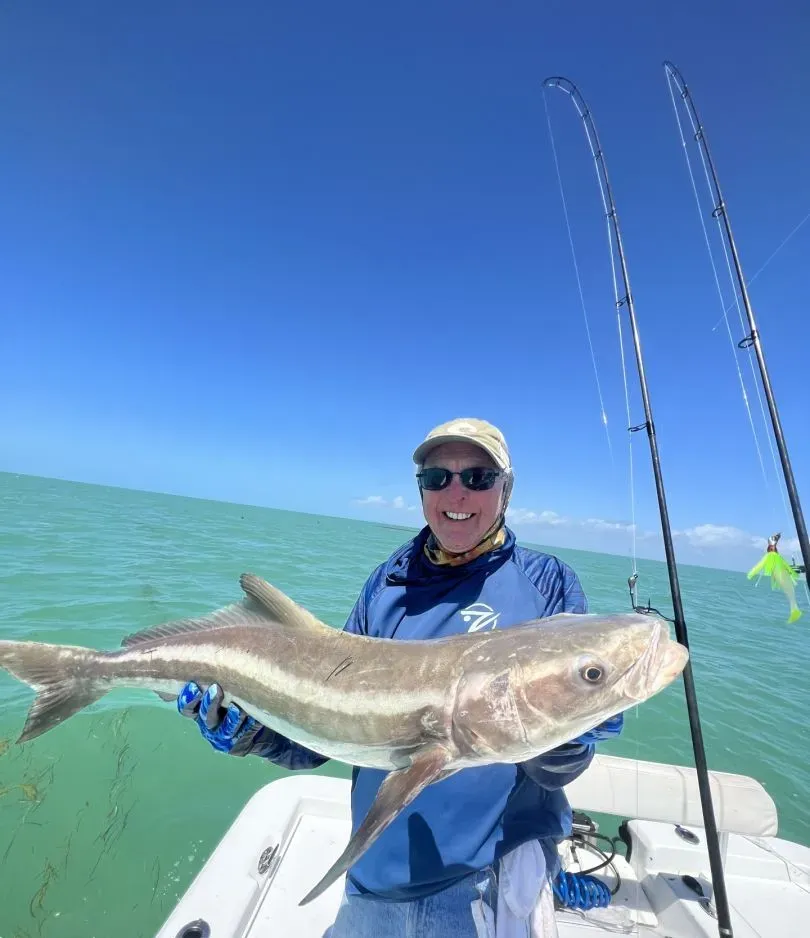


Winter in the Florida Keys isn’t just a season, it’s the moment the ocean switches on. As cold fronts sweep across the mainland and most U.S. fisheries slow down, the Keys explode with life. Massive wahoo rocket through the blue water, blackfin tuna push in tight along the reef, and the entire coastline transforms into a feeding zone unlike any other time of the year. For anglers searching for the best fishing season in the Florida Keys, winter delivers an energy, intensity, and consistency that’s impossible to overlook.
What makes it even more exciting is the way seasoned captains like Captain Troy, one of the Keys’ most respected winter fishing experts, read these changing conditions and put anglers directly “in on the reef” where the action peaks. From high-speed wahoo trolling runs to live-baiting tuna on the edge of the drop-off, winter fishing in the Florida Keys becomes the perfect blend of adrenaline, technique, and opportunity.
Whether you’re searching for Florida Keys winter wahoo charters, planning a tuna fishing trip in Key West, or simply trying to understand why the cooler months are considered prime time, this guide breaks down everything you need to know. Winter isn’t just good fishing in the Keys, it’s the best fishing of the entire year. Let’s dive into why.
QUICK SEASONAL SNAPSHOT: WHAT ANGLERS CAN EXPECT THROUGH THE YEAR
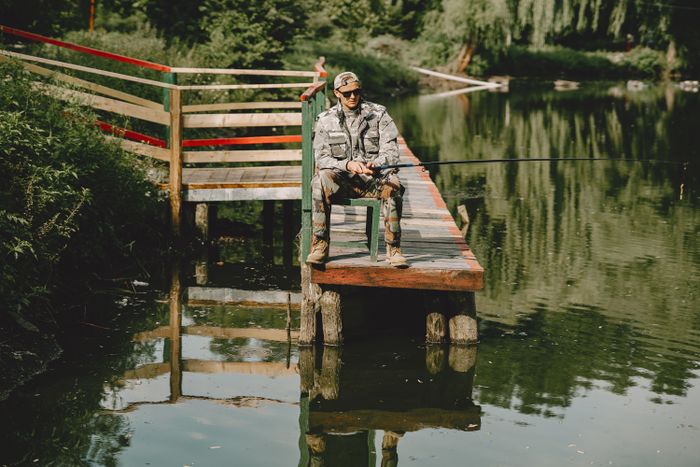
If you want to understand why the Florida Keys winter is the best fishing season, you first need to see how dramatically the fishery changes month to month. The Keys aren’t just diverse, they’re a year-round hotspot where each season brings a new lineup of trophy species, shifting bait patterns, and unique opportunities for every level of angler.
- Spring (March–May): As waters warm, schools of mahi-mahi (dorado) flood offshore, joined by sailfish, blackfin tuna, and amberjack along the deeper wrecks. This is a prime season for offshore trolling and fast-paced action.
- Summer (June–August): Calm seas make it ideal for long runs offshore. Mahi-mahi remain steady, tarpon light up the bridges, and reef fishing for snapper hits its peak. Families love this season for its predictable weather and mixed-bag catches.
- Fall (September–October): A transitional window. Bait gathers along the reef, predators begin pushing closer, and conditions start setting the stage for the explosive winter bite.
- Winter (November–February): This is when everything changes. Wahoo migrate aggressively, tuna stack tightly along the reef, and the Keys transform into a high-energy playground for anglers. This is the season Captains like Captain Troy shine, putting anglers right on the edge where the biggest fish feed.
And that’s why, out of all four seasons, winter stands unmatched in the Florida Keys.
WHY WINTER IS PRIME FOR WAHOO IN THE KEYS
When winter hits the mainland, most anglers pack away their gear, but in the Florida Keys, the season is just heating up. The cooler months trigger one of the most electrifying migrations in sportfishing: the winter wahoo run. Sleek, powerful, and built for explosive speed, wahoo surge through the Keys each winter, giving anglers some of the most adrenaline-pumping hookups of the entire year. If you’re searching for high-value terms like Florida Keys winter wahoo fishing, best time to catch wahoo in Key West, or winter wahoo trolling techniques, this is the exact moment you want to be on the water.
Below is a deeper look into why winter stands out as the ultimate window for targeting wahoo and how captains like Captain Troy capitalize on these seasonal patterns to put anglers on trophy fish.
Timing & Behavior: Why Wahoo Flood the Keys in Winter
Wahoo thrive in cooler water, and winter brings the perfect blend of temperature shifts, moving bait schools, and strong currents along the reef edge. Between November and February, these conditions push wahoo into the shallower structures that run parallel to the Keys, creating a predictable migration route. As cold fronts push south, schools of ballyhoo gather near the reefs and where there’s bait, wahoo follow. The result? A narrow but highly productive strike zone where anglers routinely connect with 30–60 lb fish, and sometimes even larger.
The Tactics That Make Winter Wahoo Fishing Unmatched
Winter isn’t just about more wahoo it’s about better opportunities to target them effectively. This is when high-speed trolling becomes the go-to technique, with captains running planers, downriggers, and deep-diving lures along the reef line to trigger reaction strikes. Live-bait drifts over drop-offs are equally deadly, especially when paired with heavy leaders and fast-action rods built to absorb the wahoo’s trademark run.
Captains like Troy, who spend winters studying bait flow, current lines, and pressure changes, know exactly when to switch from high-speed runs to controlled drifts. That timing is everything and it’s why winter wahoo fishing in the Florida Keys continues to dominate as one of the most thrilling seasonal fisheries in the U.S.
BIG TUNA- “IN ON THE REEF” WINTER TUNA OPPORTUNITIES
If there’s one winter phenomenon that excites both seasoned anglers and first-timers, it’s the moment big tuna push “in on the reef.” While most U.S. coastlines see tuna move farther offshore during colder months, the Florida Keys flip the script. Here, winter draws blackfin tuna and even larger pelagic species closer to the reef edge, creating some of the most accessible and action-packed tuna fishing of the entire year. For anyone searching terms like Florida Keys winter tuna fishing, best time to catch blackfin tuna, or tuna fishing on the reef, this is the season that delivers.
Winter’s cooler temperatures create the perfect storm: baitfish stack along the reef, currents compress the food chain, and tuna move aggressively into shallower waters to feed. This unique convergence transforms the outer reef line into a high-energy strike zone where fast-moving schools of blackfin often blitz the surface in explosive bursts. It’s common to find tunas smashing baits just a few hundred yards offshore a winter gift few fisheries can match.
For captains like Captain Troy, this is prime time to mix techniques. Live-baiting pilchards along the reef edge is deadly in winter, especially when tuna are actively feeding beneath bird piles. Vertical jigging over drop-offs offers another advantage, allowing anglers to target deeper fish when the bite goes subsurface. Chunking behind the boat during peak current flow can also ignite a furious feeding response.
Whether you're chasing a quick limit or hunting that one memorable winter tuna, the Keys’ reef zone offers an unmatched opportunity. This is winter fishing at its finest fast, exciting, and consistently productive when you’re on the water with an experienced captain.
REEF SPECIES MIXED-BAG IN WINTER
When winter hits the Florida Keys, the action doesn’t stop at wahoo and tuna; the reef turns into a nonstop buffet of hard-fighting species. Cooler water pushes predators and bottom dwellers closer to structure, giving anglers a true mixed-bag fishing experience packed with snapper, grouper, cobia, and amberjack. If you're searching for terms like winter reef fishing, Florida Keys, or best reef species to catch in winter, this is your go-to guide.
Below is a detailed breakdown of the top winter reef species and what anglers can expect when the bite turns on:
Winter Reef Species Cheat Sheet
Species | Why They’re Hot in Winter | Best Techniques | Typical Depths |
Yellowtail Snapper | Cooler temps push schools tight along the reef; consistent all winter | Chumming, light-tackle drifting, cut bait | 40–90 ft |
Moves onto structure during cold fronts; aggressive feeders | Live bait on long leaders, slow drifting | 60–180 ft | |
Grouper (Black & Gag) | Peak season near reefs and ledges; colder water increases activity | Bottom dropping, live pinfish, heavy tackle | 80–200 ft |
Often follows rays and sharks along reef edges; winter migration peaks | Sight-casting, live crabs, jigs | Surface to mid-water | |
Amberjack | Winter currents fire up wreck and reef AJs; strong, energetic fights | Vertical jigging, live baits, heavy gear | 150–300 ft |
Extremely active in cooler months; great for steady action | Cut bait, small jigs, bottom rigs | 40–120 ft |
Winter reef fishing in the Florida Keys offers action-packed variety, making it perfect for families, beginners, and serious anglers alike. With so many species stacked near structure, every drop feels like a new surprise, especially with an expert like Captain Troy dialing in the exact reef spots where the winter bite explodes.
CAPTAIN TROY SPOTLIGHT EXPERIENCE, TACTICS, AND WHO SHOULD BOOK
When winter fishing in the Florida Keys turns electric, you want a captain who knows exactly where and when to drop lines. That’s where Captain Troy shines. Known across the Keys for putting anglers directly on winter wahoo, reef-running tuna, and a nonstop mix of snapper and grouper, Captain Troy brings a rare blend of instinct, precision, and decades of experience. If you’re searching for the best Florida Keys winter fishing charters, a wahoo charter captain in Islamorada, or a reef fishing expert in Key West, this is the level of expertise you’re looking for.
Captain Troy’s reputation comes from one thing: consistency. While many anglers chase trends or guess based on weather, Troy reads subtle cues bait flow, current velocity, cloud cover, reef pressure, bird activity and positions his boat exactly where big fish begin to feed. His winter tactics include high-speed wahoo trolling at sunrise, live-baiting pilchards for blackfin tuna “in on the reef,” and targeting bottom giants on heavy structure when the currents peak. Every technique is timed to maximize strike probability.
But what truly sets him apart is his ability to shape the trip around the angler.
- Beginners love his patient teaching style and steady action on the reef.
- Serious anglers appreciate his advanced winter strategies and trophy-level opportunities.
- Families enjoy the comfortable boat setup and high catch rates.
- Adventure seekers chase adrenaline-packed wahoo runs at 15+ knots.
If you want a winter fishing experience built on skill, seasonality, and unmatched local knowledge, Captain Troy is the guide you book when you want your Florida Keys trip to be unforgettable.
SAMPLE WINTER 1-DAY & 3-DAY ITINERARIES
When the Florida Keys’ reef and offshore zones fire up in winter, the difference between a good trip and a legendary one depends on the plan here’s a ready-made itinerary to maximize your chances of hooking wahoo, tuna, and reef species. Whether you have only a day or three, this schedule follows the seasonal patterns that captains know deliver results.
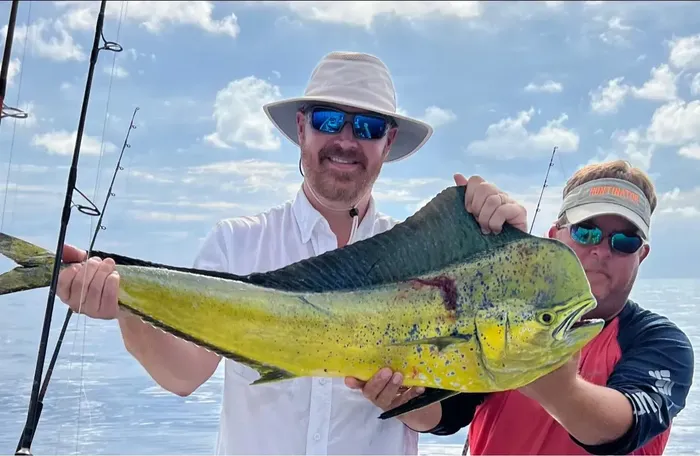
1-Day Winter Charter Itinerary
If you’ve only got one day to fish the Florida Keys in winter, this fast-paced itinerary is built to maximize every bite window. Designed around peak wahoo and tuna movement, it follows the exact pattern top captains use to deliver action-packed single-day trips.
- Pre-dawn departure (≈ 6:30–7:00 AM): Head offshore along the reef edge to run high-speed trolling lines. Target early-morning schools of winter wahoo.
- Late morning: Transition into reef-edge water; live-bait pilchards or ballyhoo to tempt any blackfin or yellowfin tuna pushing “in on the reef.”
- Midday: Drop down to reef structure for snapper, grouper, amberjack, or other bottom dwellers, a mixed-bag bottom session adds variety.
- Late afternoon: Resume trolling along current seams or drift back toward port, giving yourself a last window for opportunistic wahoo or tuna strikes.
- Evening return: Wrap up with a full box of fish and sunlit memories perfect for a one-day winter fishing charter.
3-Day Winter Charter Itinerary
A 3-day winter fishing trip in the Florida Keys lets you experience the full range of seasonal action from sunrise wahoo runs to tuna blitzes and reef-dropping for snapper and grouper. This plan is ideal for anglers who want a complete, well-rounded winter fishing adventure.
Day | Focus | Why It Works |
Day 1 – Wahoo & Scout | High-speed trolling for wahoo + surface live-bait checks | Winter water and bait flow often concentrate wahoo early; good for starting with energy. |
Day 2 – Tuna & Reef Edge Attack | Live-bait or vertical jigging along reef edges for tuna, plus mid-morning reef drop for mixed species | Tuna often stack near reef edges in winter ideal for live bait or jigs. Reef drop adds variety. |
Day 3 – Mixed-Bag Reef & Bottom Fishing | Focus on reef species snapper, grouper, amberjack, mackerel, etc. with light to medium tackle | Cooler water pushes reef and bottom species closer to structure; good finishing day for a family-friendly haul. |
Three days give you the flexibility to chase whichever bite is hottest, whether it’s the speed-hungry wahoo on Day 1, reef-edge tuna on Day 2, or a steadier mixed bag of bottom fish on Day 3.
Practical Angler Tips for Winter Keys Trips
Planning a winter fishing trip in the Florida Keys? Before you cast your first line, a few smart angler strategies can dramatically improve your success in cold-season waters. Whether you’re chasing tarpon, permit, bonefish, or reef species, these winter-specific fishing tips help you stay prepared, confident, and fully optimized for the season.
- Check water temps constantly: Winter fish in the Keys behave differently, often pushing deeper when temperatures drop. Monitoring water temps helps you predict movement, improve targeting accuracy, and stay one step ahead.
- Use slower retrieves: Fish conserve energy in cold water, making aggressive retrieves ineffective. Slow, steady lure actions mimic natural prey movement, increasing strikes and improving overall catch consistency.
- Bring layered clothing: The Keys stay warm, but early mornings can be chilly. Layering ensures comfort, reduces fatigue, and helps you stay focused across long winter fishing sessions.
- Target deeper channels after cold fronts: When sudden cold fronts hit, popular gamefish often move to deeper channels. Fishing these areas boosts your chances of finding active schools during winter transitions.
- Use live bait for finicky winter fish: Cold-season fish may ignore artificial lures. Live shrimp, pilchards, or crabs offer natural scent and movement, enticing reluctant feeders and increasing hook-up rates.
- Watch for migrating pelagics offshore: Winter currents bring sailfish, kingfish, and wahoo closer to the Keys. Monitoring offshore patterns helps you capitalize on peak migration windows and trophy-fish opportunities.
- Keep rods, reels, and lines dry: Morning moisture can compromise gear performance. Regularly drying your setup prevents tangles, enhances casting precision, and preserves equipment longevity during winter charters.
Regulations, Conservation & Best Practices
Before you launch into your winter fishing adventure in the Florida Keys, there’s one thing every responsible angler must prioritize, protecting the fishery that makes this destination legendary. Understanding the latest Florida Keys fishing regulations, conservation rules, and ethical angling practices ensures you enjoy a successful winter trip and helps preserve these waters for generations.
Winter conditions can make fish more vulnerable, so following guidelines isn’t just a rule, it’s a responsibility.
- Know current size & bag limits: Florida’s winter regulations change based on species, season, and local conservation needs. Always check updated FWC rules before targeting tarpon, grouper, snapper, or permit.
- Use barbless or circle hooks: These hooks reduce injury and improve release survival, especially for catch-and-release species common during winter months.
- Handle fish gently & minimize air exposure: Wet your hands, avoid squeezing, and return fish to the water quickly to reduce stress and mortality.
- Respect no-take zones & sanctuary areas: The Keys have protected reefs and seagrass habitats. Avoiding restricted zones helps maintain biodiversity and ecosystem balance.
- Never leave trash, lines, or hooks behind: Marine debris threatens wildlife and habitats. Proper disposal keeps the Keys clean, healthy, and thriving year-round.
WHY GUIDESLY + CAPTAIN TROY IS THE WINTER ADVANTAGE
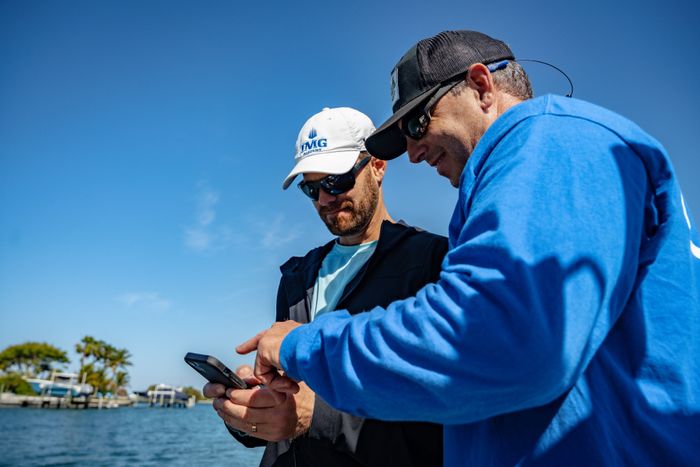
When winter bites hit the Florida Keys, the difference between a “maybe-catch” and a trophy haul often comes down to having the right platform and the right captain. That’s exactly why choosing Guidesly paired with an experienced local like Captain Troy becomes your smartest move.
Guidesly offers a streamlined, all-in-one booking platform where anglers can browse through thoroughly vetted charter captains, check real customer reviews and fishing reports, and easily reserve trips.
With Guidesly’s built-in search filters, you can zero in on winter-ready charters, the kind targeting wahoo, reef tuna, and bottom species when conditions align.
Meanwhile, Captain Troy brings deep local knowledge of seasonal fish behavior, reef structure, and winter bait patterns, giving you a tactical edge most casual anglers simply don’t have. The synergy of a trusted platform + an expert winter-season captain doesn’t just improve your odds, it significantly increases your chances of landing the catch of a lifetime.
CONCLUSION- THE WINTER SEASON EVERY ANGLER SHOULD EXPERIENCE
If you’re searching for the ultimate Florida Keys fishing season, one packed with adrenaline-pumping wahoo strikes, powerful reef tuna, and non-stop mixed-bag action, winter is where it all comes alive. When cooler currents push pelagics closer, bait stacks along the reef, and visibility is crystal clear, anglers get a rare combination of big-game energy and reef-side variety that simply doesn’t happen any other time of year.
With seasoned captains like Captain Troy, who understands winter patterns down to each temperature shift and tide change, you’re not just hoping for a great day, you’re setting yourself up for success. And when you pair that expertise with the seamless booking and verified charters on Guidesly, planning your dream winter trip becomes effortless.
So whether you're chasing trophy wahoo, loading up on tuna, or filling the cooler with reef species, the Keys’ winter season is your chance to experience fishing at its absolute peak. Book early, fish smart, and get ready for unforgettable days on the water.
FAQs
1. When is the best time to fish the Florida Keys in winter?
The prime winter fishing season runs from December through February, offering peak action for wahoo, blackfin tuna, and a variety of reef species near structure.
2. Why is winter considered prime wahoo season in the Keys?
Cold fronts push bait offshore and along reef edges, triggering aggressive wahoo feeding, which makes them more predictable and easier to target for experienced anglers.
3. What tuna species can you catch “in on the reef” during winter?
Winter brings blackfin tuna closer to the reef edge, feeding actively during early morning and late afternoon, providing excellent action for trolling or live-bait techniques.
4. Do winter cold fronts improve fishing conditions?
Yes, cold fronts lower water temperatures slightly, increase pelagic fish activity, concentrate bait schools, and improve visibility, creating optimal conditions for wahoo, tuna, and reef species.
5. Are the Florida Keys good for beginners during winter?
Absolutely. Winter provides consistent reef action, shorter travel distances, and calmer conditions, making it beginner-friendly while still offering the excitement of chasing big pelagic species.
6. What is the top bait for winter wahoo?
Ballyhoo, high-speed trolling plugs, and live bait are extremely effective. Winter wahoo respond aggressively to fast-moving lures along deep reef lines and offshore currents.
7. Do winter charters fill up fast?
Yes. Winter is peak season for the Keys, with wahoo and tuna migrations attracting high demand. Early booking ensures availability with top-rated captains like Captain Troy.
8. What should I pack for a winter fishing trip in the Keys?
Bring layered clothing for morning chills, sun protection, non-slip shoes, fishing gloves, motion-sickness remedies, and tackle suited for both pelagic and reef species.
9. Can reef species still be caught during strong cold fronts?
Yes. Snapper, grouper, porgies, and amberjack remain active near reef structures, even during frontal shifts, providing consistent bottom-fishing opportunities throughout winter months.
10. Why book Captain Troy through Guidesly?
Guidesly offers verified reviews, seamless booking, and access to experienced captains. Captain Troy’s deep winter knowledge ensures anglers hit wahoo, tuna, and mixed reef species efficiently.