Fish You Can Expect to Catch This Fall in Georgia
Discover the best fall fishing in Georgia for redfish, trout, bass, striped bass, hybrids and crappie, plus top water bodies, baits and tips.
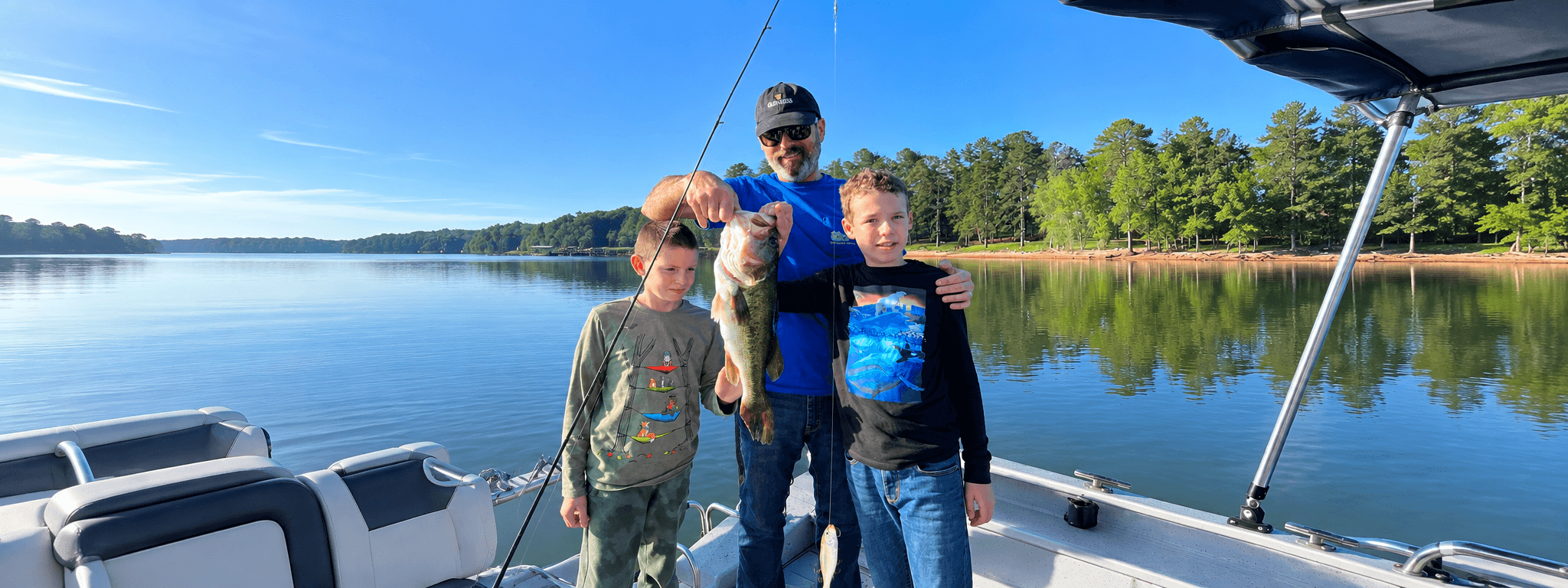


There's a reason so many fishing guides call fall their favorite season. The brutal humidity finally breaks, the crowds thin out, and most importantly, the fish become abundant. Cooling water temperatures trigger a feeding binge across the state, from the tidal creeks around Savannah to the tailwaters running through Georgia's mountain rivers.
Whether it's sight-casting to tailing Redfish in skinny marsh water or jigging brush piles on Lake Seminole, fall is when Georgia fishing hits its stride. Here's what's biting, where to find it, and why this stretch of the calendar is worth building a trip around.
Quick Summary: Fall Fishing Spots in Georgia
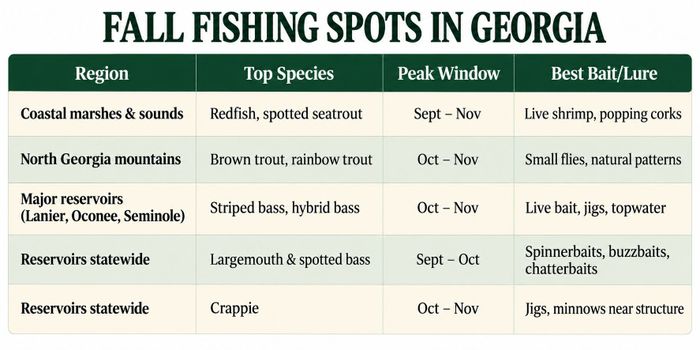
Fall is an exciting time to fish in Georgia, as cooling water temperatures trigger feeding activity and create opportunities across the state's coastal waters, mountain rivers, lakes, and reservoirs. Anglers can target redfish and spotted seatrout around coastal marshes and tidal creeks, brown and rainbow trout in North Georgia's mountain streams, and largemouth bass, spotted bass, striped bass, hybrids, and crappie in freshwater fisheries.
Popular destinations include Savannah's coastal waters, the Toccoa River, Lake Lanier, Lake Oconee, and Lake Seminole. Beyond the variety of fish, milder weather, lighter boat traffic, and active feeding patterns make fall a convenient season for both beginners and experienced anglers to plan a fishing trip.
What Fish Are Biting in Georgia This Fall?
The easiest way to make sense of Georgia's fall fishing is to start with the fish rather than the map. Redfish and Spotted Seatrout become major coastal targets, trout get active in the state's mountain rivers, and cooling reservoir water gets bass, stripers, hybrids, and crappie moving. Each fishery has its own fall rhythm. Here's what to expect from the most sought-after species, where to find them, and what tends to work.
Fall Redfish Fishing in Georgia
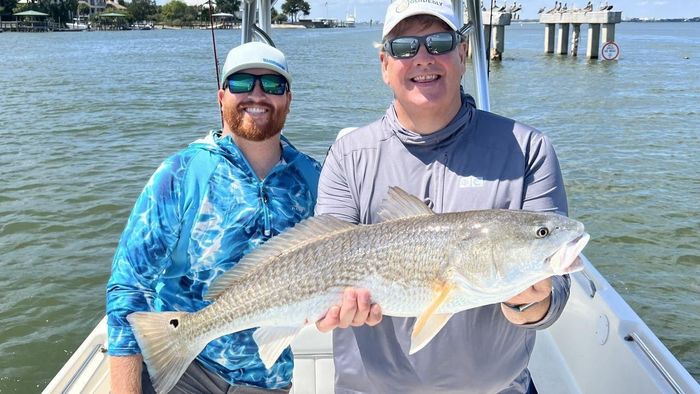
September through November is peak season to catch Redfish in Georgia, and two different opportunities are running at once. Slot Redfish (18-27 inches) go into a serious feeding mode as the water cools, pushing into grass flats and tidal creeks to bulk up before winter. Bull Redfish (27-30 inches) move into the sounds, inlets, and river mouths to spawn. These fish can push past 20 pounds and put up a fight clients will talk about for years. If you're targeting redfish in the marsh, try live shrimp or cut bait around creek mouths and channel edges. Later in the fall, move your search toward the surf and nearshore waters, where larger redfish may be easier to spot in shallow water and cast to.
Where to catch Redfish in Georgia’s Fall: For a coastal redfish trip, look around the marshes near Savannah, the Altamaha River delta, Tybee Island, and Jekyll Island. As fall progresses, you can also target larger fish around the surf and nearshore areas.
Fall Spotted Seatrout Fishing in Georgia
Fall is one of the best times to target spotted seatrout along the Georgia coast.
As the water cools and bait move out of the estuaries, trout gather around oyster bars, grass beds, drop-offs, and creek channels where they can feed.
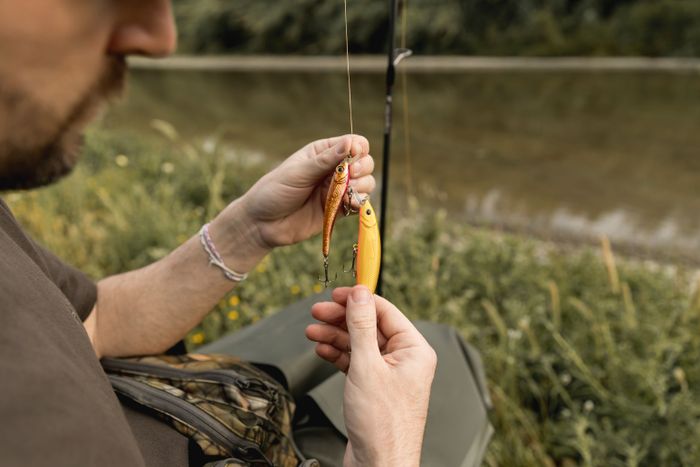
If you're targeting trout, try live shrimp under a popping cork around areas with moving water. You can also use artificial shrimp imitation baits for Sea Trout once you find an active school. Deep holes in feeder creeks can hold several fish in one area, while shallow sand flats can produce bigger trout at night on topwater plugs or fly gear. Pay attention to the tide, too. Trout often feed more actively when the water is moving, so check the tide chart before planning your trip.
Where to catch them: Look for Spotted Seatrout around Georgia's coastal estuaries, oyster bars, grass beds, creek holes, and drop-offs. Areas where moving water pushes bait past structure are good places to start.
Fall Trout Fishing in Georgia's Mountain Rivers
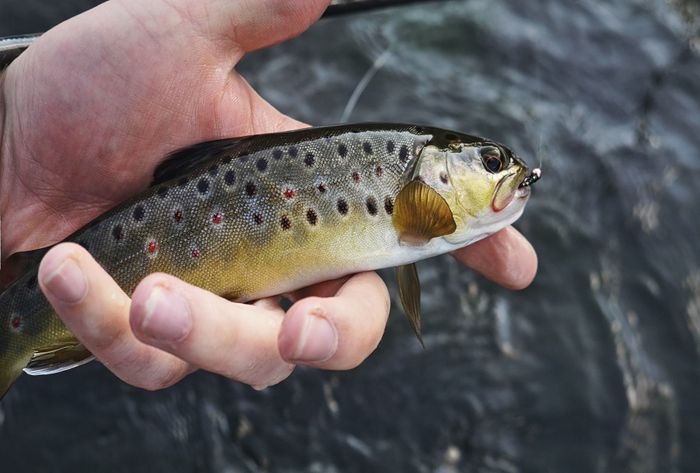
Fall brings another strong trout opportunity to Georgia's mountain rivers. October and November are especially important as cooler water and brown trout spawning activity change how fish behave.
Brown Trout begin moving toward spawning areas after the first heavy rains of September. If you're fly fishing, smaller patterns can work well when Trout become selective, while dry flies are worth trying when fish are feeding near the surface. The Delayed Harvest streams also reopen in November, giving you another option as the season progresses.
Where to catch them: Try the Toccoa River, Chattahoochee headwaters, Chestatee, Cartecay, Tallulah, and Chattooga rivers. The private Soque River is another option for anglers looking for larger brown and rainbow trout.
Planning to fish for Redfish and Trout this fall in Georgia? Book a trip with Savannah Sight Fishing.
Fall Largemouth and Spotted Bass Fishing in Georgia
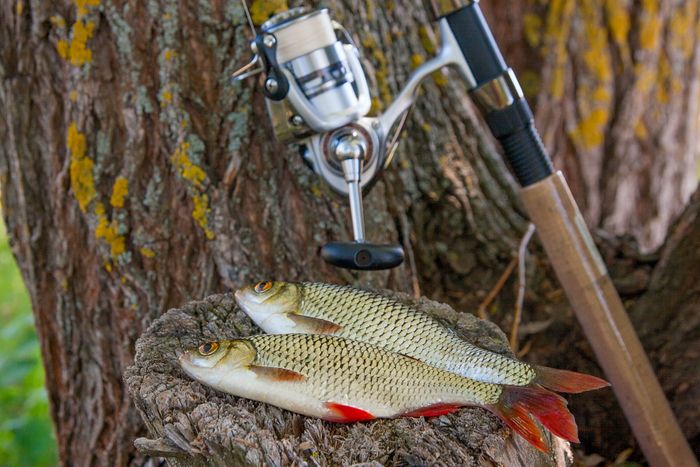
As Georgia's water temperatures drop, Largemouth and Spotted Bass move away from their deeper summer locations and start following shad and bream into creeks, coves, and shallower areas.
This is a good time to switch from the deep-water presentations that worked during summer. Try buzzbaits, spinnerbaits, chatterbaits, or shallow crankbaits, particularly early in the morning when bass are more likely to feed near the surface. As the sun gets higher, expect fish to move deeper.
Where to catch them: You can find this fall pattern on lakes and reservoirs across Georgia, including Lake Lanier and Lake Oconee. Focus on creeks, coves, and shallow areas where baitfish are gathering.
Fall Striped Bass and Hybrid Fishing in Georgia
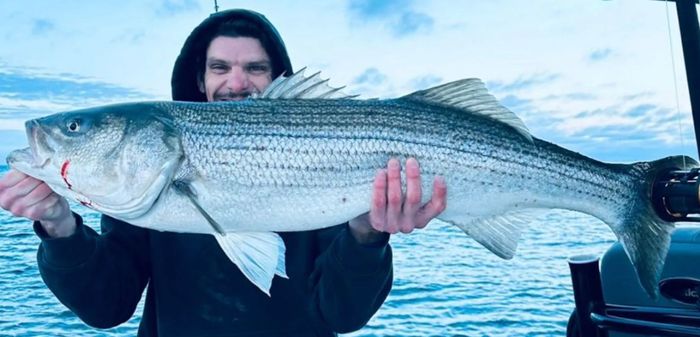
Striped bass and hybrids become much easier to spot as fall progresses.
After spending much of the summer in deeper water, they start schooling and pushing baitfish toward the surface.
If you see gulls or herons repeatedly working over the water, look below them. They can give away the location of baitfish and feeding Stripers. When fish are breaking the surface, try topwater lures or bucktails. Freelined blueback herring can also work around points.
Where to catch them: Lake Lanier is well known for its fall striped bass action, but you can also target stripers and hybrids on Lake Oconee, Lake Seminole, and Clarks Hill/Russell. The bite typically improves as October moves into November, and the water continues to cool.
Fall Crappie Fishing in Georgia
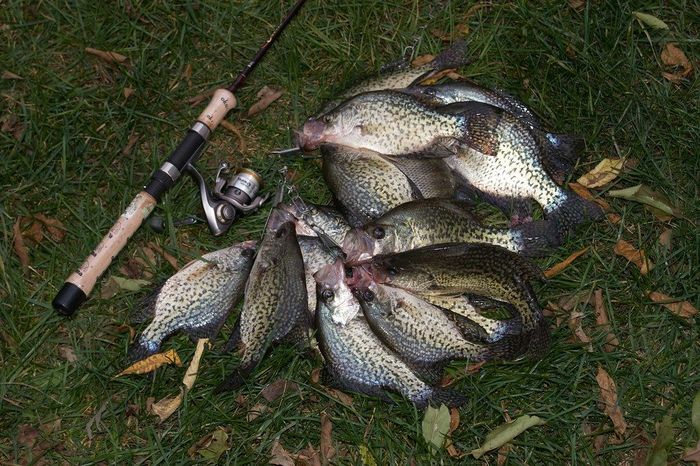
Crappie become another good target as Georgia's reservoirs cool down.
They gather around brush piles and other underwater structure, often holding in deeper water as fall progresses.
If you're targeting Crappie, work jigs or live minnows slowly around brush piles and other structure. November can be particularly productive for larger fish, and this is a good option if you're looking for a slower-paced trip rather than chasing actively feeding fish.
Where to catch them: Look for crappie around brush piles, flooded timber, and other submerged structure in Georgia's reservoirs, like Lake Lanier. November can be especially productive as Crappie gather in these areas.
Other Fish to Catch in Georgia This Fall
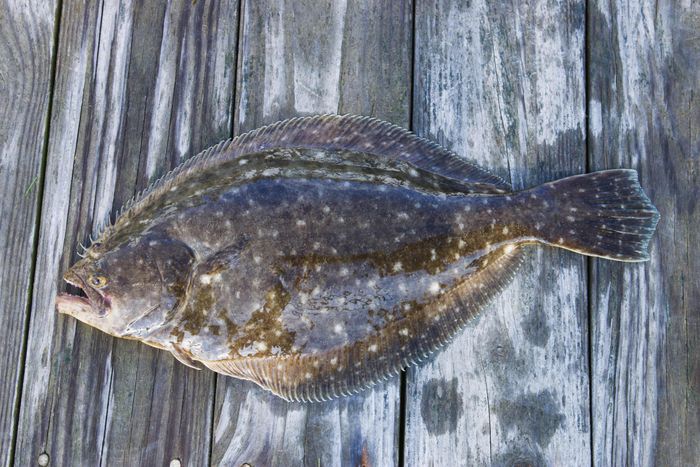
Redfish, trout, bass, stripers, and crappie aren't the only options.
You can also target flounder, black drum, and sheepshead along the coast as water temperatures continue to drop. For flounder, work your bait slowly along the bottom around dock pilings and creek mouths.
Sheepshead are worth targeting around structure, while black drum can provide another light-tackle option when the main bite slows down. Early in the fall, you may also find king mackerel and cobia offshore. Tarpon can overlap with the early bull Redfish run before they head south for winter.
Where to catch them: For these species, focus on coastal structures, creek mouths, docks, and nearshore waters. The best target can change as temperatures continue to fall, so let the conditions and bait movement guide the trip.
Why Fall Is a Good Time to Book a Georgia Fishing Trip
Beyond the fish themselves, there's a practical case for fall:
Easier weather: Mild mornings, manageable afternoon heat, and none of the thunderstorm roulette that defines a Georgia summer.
More predictable fish: Behavior settles into patterns as water temperatures stabilize, so spots that produced last year are a great place to start again.
More forgiving for beginners: With so many species actively feeding ahead of winter, fish are simply more willing, which makes fall a good season to introduce someone to fishing for the first time.
Lighter boat traffic: Summer crowds thin out on the lakes and coast alike, so popular spots fish better and feel less rushed.
It's also worth noting that Georgia has no license requirement for saltwater anglers, while freshwater anglers 16 and up need a Georgia fishing license. That makes it worth checking the current regulations before heading out, particularly when targeting specific species.
Tips for Planning a Fall Fishing Trip in Georgia
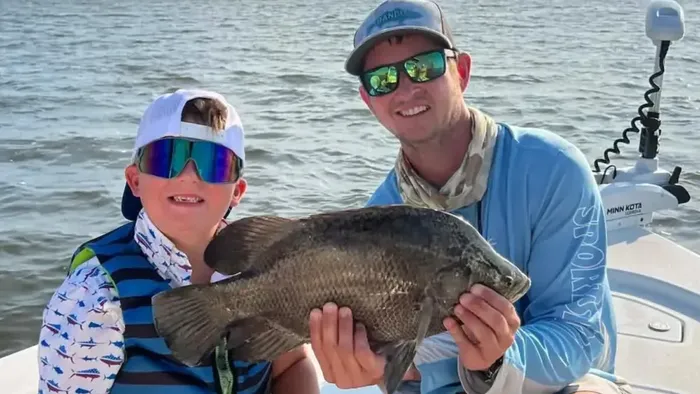
Fall fishing in Georgia can change quite a bit depending on what you're targeting and where you're headed. A little planning before the trip can make it easier to choose the right type of charter, prepare for changing weather, and spend more time fishing once you're on the water.
Match the trip to the target species: A morning chasing surface-feeding Stripers on Lanier calls for a different boat and approach than a slow drift for trout in a coastal creek. Let the captain know what you're hoping to catch when booking so they can plan the gear and location around it.
Watch the tide for coastal fishing: If you're fishing the Georgia coast, check the tide before you head out. The tide can have a big impact on where bait and fish move, and your captain can plan the trip around the best stage of the tide.
Book Georgia fishing charters early: Fall weekends can fill up quickly once the bite gets going, especially for popular Striper and Trout trips in Georgia. If your schedule allows, booking earlier in the week can also give you more options when choosing a date.
Dress in layers for fall fishing: Fall mornings on the water can feel cool before warming up later in the day. Bring a few layers, especially if you're heading into the mountains or spending an early morning on a lake, so you're comfortable as temperatures change.
The Easiest Way to Plan Your Fall Fishing Trip in Georgia
Whether you're chasing Redfish in the marsh, working a dry fly through a mountain river, or following a school of surface-feeding stripers on Lanier, Georgia has plenty to offer during the fall.
The main fall fishing window runs roughly from September through November, before winter patterns begin to take over. If you're planning a trip, choosing your target species and location early can help you make the most of that short window.
Check out Guidesly’s top picks of Georgia fishing charters and find experienced local captains who fish these waters regularly and can help plan a trip around the species and conditions you're looking for.