Top 10 Places to Go Fishing in Florida: Best Fishing Spots for Every Angler
Explore 10 of the best fishing spots in Florida, from Destin and the Keys to Lake Okeechobee. Find top species, seasonal tips, and fishing locations.
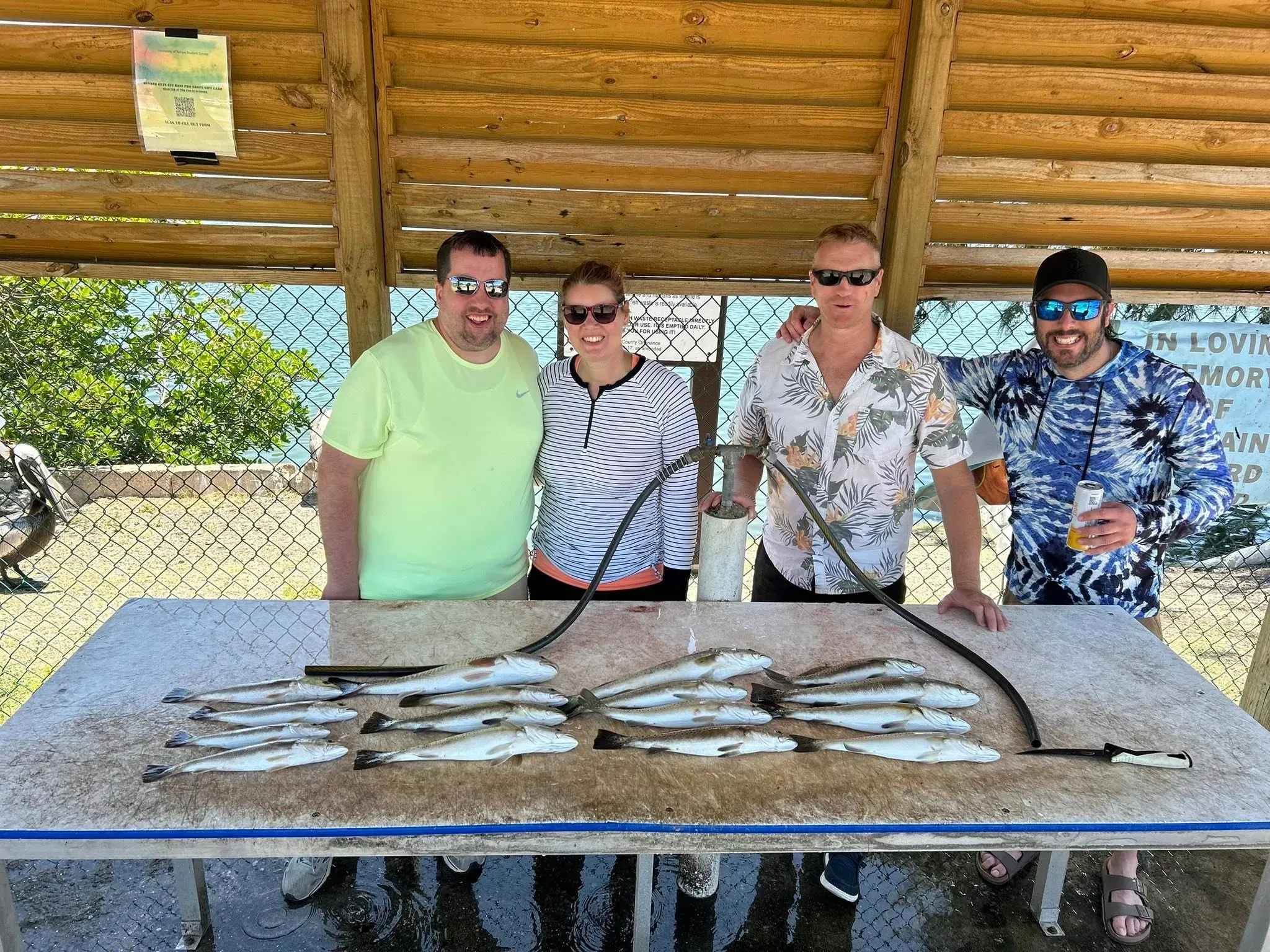


Florida fishing can mean a lot of different things. Maybe you're after largemouth bass in freshwater, hoping to hook a redfish in the shallows, or heading offshore for bigger catches. The state has room for all three, and plenty of options in between.
The real question is where to start. Some destinations are known for their bass fisheries, others draw anglers looking for tarpon, snapper, or grouper. Then there are places where the scenery is reason enough to spend a day on the water, even if the fishing takes a little patience.
This list covers ten Florida fishing destinations worth considering, with each one offering something different. We'll break down what you can catch, when fishing tends to be best, and which techniques are worth trying, so you can narrow down the options before planning your next trip.
Quick Glance: 10 Best Fishing Spots in Florida
Destination | Best Known for | Popular Target Species |
Destin | Offshore, reef, and inshore fishing | Red Snapper, Grouper, King Mackerel |
Islamorada | Flats, backcountry, and sportfishing | Tarpon, Bonefish, Permit |
Key West | Offshore, reef, and wreck fishing | Mahi-Mahi, Tuna, Sailfish |
Tampa Bay | Inshore and nearshore fishing | Redfish, Snook, Spotted Seatrout |
Miami | Offshore sportfishing and Biscayne Bay | Sailfish, Swordfish, Tarpon |
Pensacola | Gulf fishing, piers, and surf fishing | Redfish, Pompano, King Mackerel |
Naples | Backwater and coastal fishing | Snook, Redfish, Tarpon |
St. Augustine | Intracoastal and Atlantic fishing | Redfish, Flounder, Black Drum |
Lake Okeechobee | Freshwater bass fishing | Largemouth Bass, Crappie, Bluegill |
Crystal River | Nature Coast and inshore fishing | Redfish, Spotted Seatrout, Snook |
The best place to start depends on what you're hoping to catch, but a few destinations stand out for very different reasons. Let's start on the Panhandle, where Destin has earned its reputation for productive Gulf waters and fishing trips that range from inshore outings to offshore runs.
1. Destin: The World's Luckiest Fishing Village
Destin has plenty to keep offshore anglers busy, and there's a geographical reason for that. The 100-fathom curve, where the seafloor drops into deeper water, runs relatively close to shore here. Boats can reach deeper fishing grounds without a particularly long ride.
Fish to Catch in Destin
Red snapper and grouper are popular targets offshore, while king mackerel and mahi-mahi offer other options depending on the season and conditions. Closer to shore, anglers can fish for redfish, spotted seatrout, and flounder in Choctawhatchee Bay.
Spring brings the cobia migration along the beaches, and summer is another busy period for offshore fishing. If you're planning a fall trip, ask local captains what's biting and check current regulations before booking, especially if red snapper is on your list.
Fishing With Kids? Try Choctawhatchee Bay
An offshore trip can mean hours on the water, which isn't always ideal with younger children. Choctawhatchee Bay makes for a shorter outing, with calmer conditions and a chance to catch redfish, spotted seatrout, and flounder. A half-day trip is a good place to start before deciding whether a longer Gulf trip makes sense.
Where to Fish From the Shore in Destin
No boat? No problem. Okaloosa Island Pier gives you a shot at pompano and Spanish mackerel, and king mackerel can show up as well.
The East Pass Jetties are another option. Fish move into the inlet with the tide, and redfish, flounder, and seatrout are among the species anglers target there. Just be careful on the rocks. They get slippery, and rough surf isn't worth the risk.
2. Islamorada: The Sportfishing Capital of the World
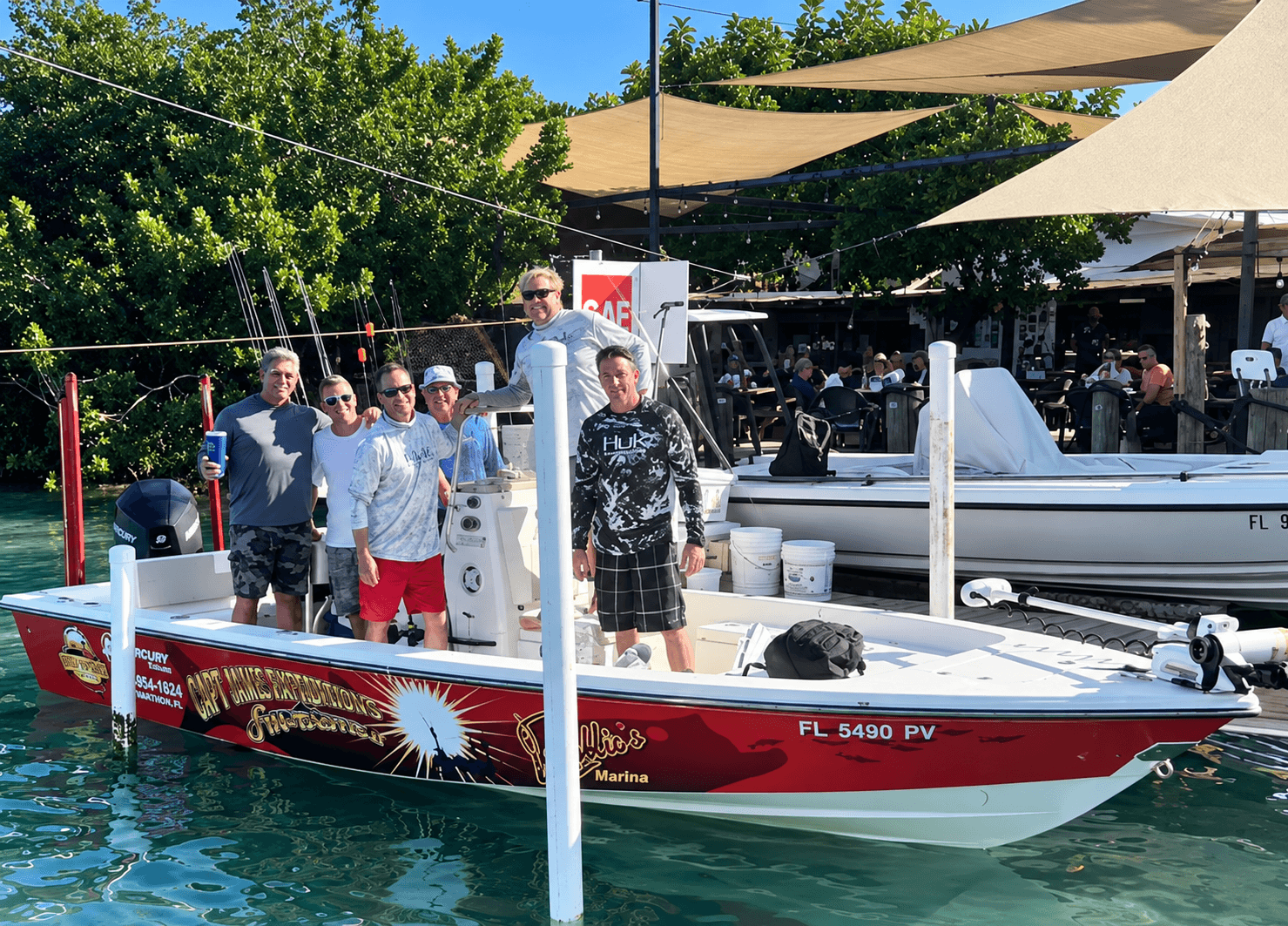
Islamorada is particularly well known for its shallow flats, where spotting a fish is part of the challenge.
Picture yourself standing on the bow of a skiff while your guide pushes the boat along with a long pole. The water is clear and shallow, and you're watching for movement.
Then your guide spots a bonefish. You get a cast or two to put your bait or fly in front of it. Cast too close and you might spook it; cast too far and the fish may never notice. That's what makes flats fishing here so exciting, and sometimes frustrating.
Bonefish, Permit, and Tarpon in Islamorada
These three species are a big part of Islamorada's reputation. Catching a bonefish, permit, and tarpon in one day is known as an inshore grand slam. It's a serious challenge, even for experienced anglers.
Tarpon fishing is especially popular in spring and early summer, when migrating fish move through the channels. Bonefish are often found in the shallow flats in warmer weather, while permit can be targeted throughout the year. If tarpon is your main goal, book your guide early during the peak season.
Fishing Deeper Water Islamorada
You don't have to spend the day scanning shallow flats. Head to the Atlantic side for reef fishing, where snapper and grouper are common targets. Bottom fishing is a good alternative if sight fishing sounds a little too demanding.
On the other side, Florida Bay has a maze of shallow flats, mangrove islands, and channels. Redfish and snook are worth targeting here, along with tarpon. The backcountry can also be a useful option when wind makes the ocean side less comfortable. Islamorada is also home to many local guides, who can take you to the best spots.
3. Key West: Offshore Runs and Wreck Fishing
Key West sits close to deep water, so a day trip can put you on the way to offshore fishing grounds without a particularly long run. Mahi mahi and blackfin tuna are popular targets, while winter brings opportunities to fish for sailfish.
But offshore fishing is only one part of the picture here.
Why Wreck Fishing in Key West is Worth Trying
The waters around Key West have shipwrecks and artificial reefs that attract snapper, grouper, and larger predatory fish. The basic approach is straightforward: drop bait down toward the structure and wait for a bite.
The tricky part starts when a fish takes the bait. You need to bring it away from the wreck before it can retreat into the structure and break your line. It's a good workout, particularly when a larger grouper is on the other end.
Fishing the Key West Reefs
Yellowtail snapper is a classic Keys catch. Captains often anchor near a reef and use a bag of chum to draw fish toward the boat. Small baits drift back through the current on light line, giving anglers a chance to tempt these wary fish.
The lighter presentation matters because yellowtail can be cautious around heavier tackle.
Exploring Different Fishing Types in Key West
Key West works well if you want to try different types of fishing during the same trip. Spend one day on a wreck, another on a reef, and a third offshore. You can also head into the backcountry flats west of the island to target tarpon and permit.
There's plenty to do for anyone not joining you on the boat, too. While you fish, the rest of your group can snorkel or explore Duval Street before everyone meets up for sunset.
4. Tampa Bay: Florida's Inshore Playground
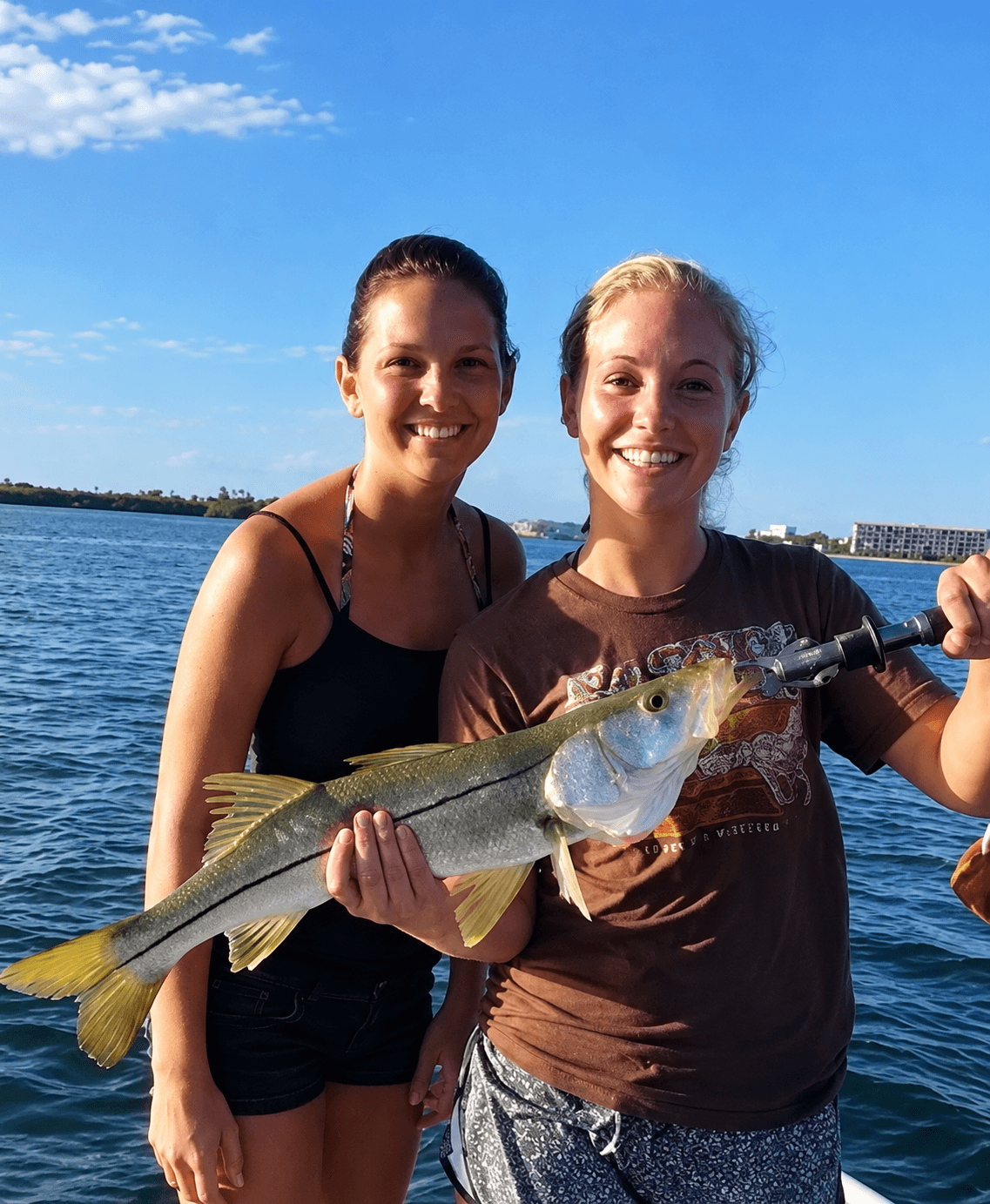
If anyone tells you that you need to go offshore to have a good day in Florida, they might not be familiar with the fishing opportunity at Tampa Bay. The whole bay is one big estuary.
That means grass flats, mangrove shorelines, bridges, and channels, and all of it holds fish. Redfish, snook, and spotted seatrout are popular targets.
Fall is a good time to look for redfish moving across the flats, while cooler weather can change where snook and trout feed. Tarpon are more associated with the warmer months, so keep that in mind if they're at the top of your list.
How a Typical Inshore Trip Works
Many guides start early, casting nets for live bait such as scaled sardines, also called whitebait. Once the baitwell is full, they'll move toward a grass flat or mangrove edge and use the live bait to attract fish.
When snook or redfish start chasing bait near the surface, things can get exciting quickly. You'll need to be ready to cast when the fish show themselves.
Prefer artificial lures? Soft plastics work well around the flats, while topwater plugs are worth trying early in the morning.
Best Time to Go Fishing in Tampa Bay
Fall is a good time to target redfish around Tampa Bay. They often gather in larger schools across the flats, making this a good season to look for them in shallow water. Snook and spotted seatrout are also worth targeting, particularly around mangrove edges, grass flats, and channels.
Summer brings its own opportunities, with snook active around the passes and tarpon moving through the bay and near bridges from late spring into summer. If you're fishing in fall though, start by asking local guides where the redfish are feeding and adjust your plans to the tides and current conditions.
5. Miami: Big Game Next to the Skyline
When most people hear "Miami," they think beaches and nightlife. When anglers hear it, they think of Gulf Stream. It certainly offers an unusual combination: a major city on one side and deep Atlantic fishing grounds on the other. The Gulf Stream runs close to the coast, so offshore boats can reach blue water relatively quickly.
That makes Miami a popular destination for anglers targeting larger pelagic fish, including sailfish and swordfish. Fall is worth considering for swordfish, while sailfish become a bigger focus as winter approaches.
Offshore Fishing in Miami
Miami's location near the Gulf Stream makes it a popular starting point for offshore trips, especially if you're hoping to catch larger ocean fish. Swordfish and sailfish are two big targets, but catching them takes different approaches.
For swordfish, boats head into deep water and lower bait hundreds or even thousands of feet below the surface. The wait for a bite can be long, and bringing a large swordfish up from those depths takes patience and heavy-duty equipment.
Sailfish are often targeted using kite fishing, especially during winter. The crew flies a fishing kite above the boat to keep live bait near the water's surface. When a sailfish comes up to grab the bait, you may actually see the strike happen. That's part of what makes this technique so exciting for offshore anglers.
Biscayne Bay Fishing Experience
You don't have to leave the city behind to find inshore fishing in Miami. Biscayne Bay has shallow, clear water where anglers target tarpon, snook, and bonefish.
Night fishing for tarpon around bridges and causeways is another option. Fish move around the pilings, and the city lights provide a very different backdrop from a typical offshore trip.
Two Inlets to Know While Fishing in Miami
If you're fishing around Miami, Government Cut and Haulover Inlet are two names worth remembering. Government Cut is the main shipping channel connecting Miami's harbor to the Atlantic, while Haulover Inlet sits farther north, near Miami Beach. Both carry moving water between the coast and the ocean, bringing baitfish through the channels and attracting larger fish looking for a meal. Depending on the tide and conditions, these areas can be worth exploring for anglers fishing near the inlets.
6. Fishing in Pensacola: No Boat Required
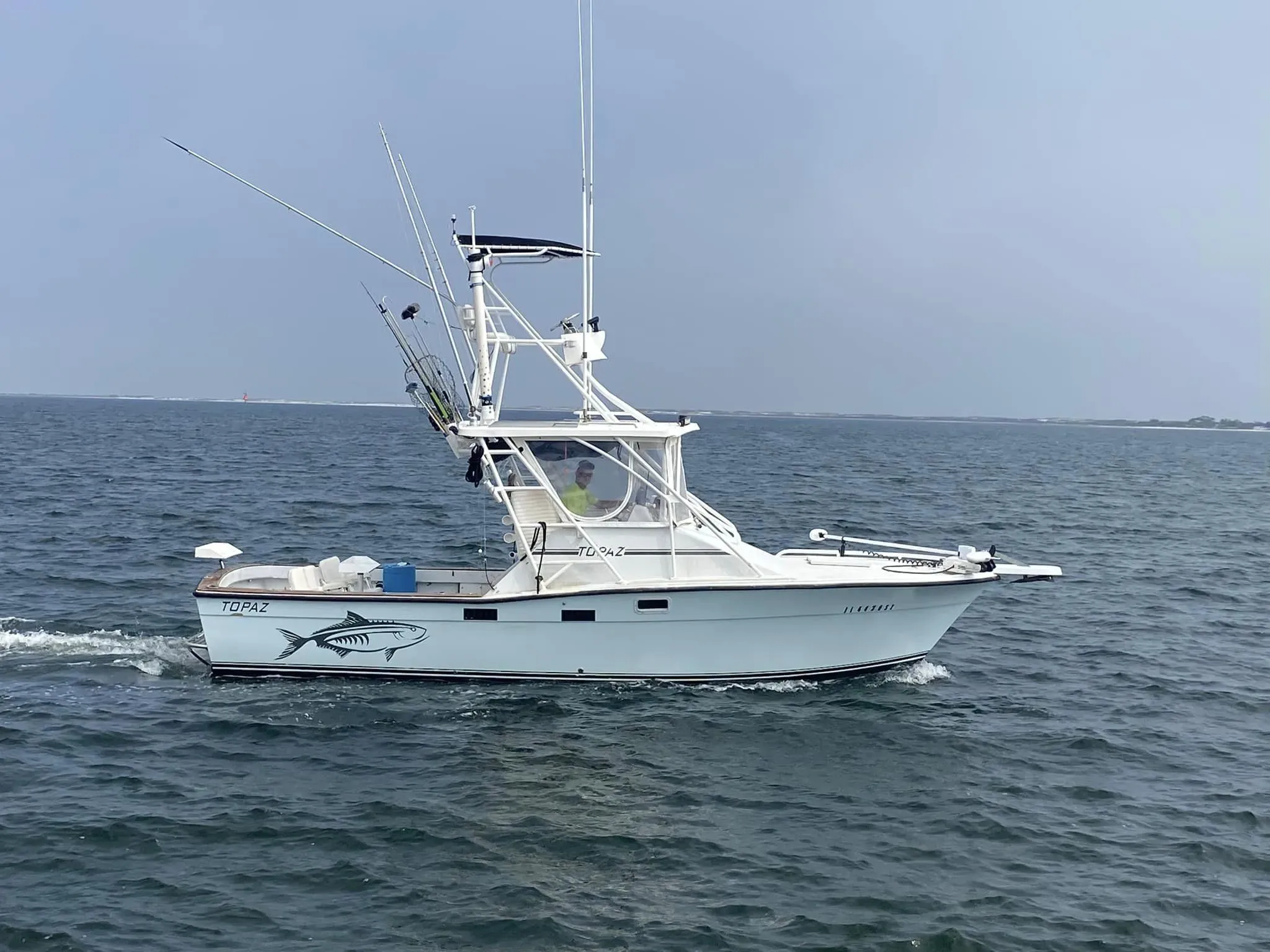
Pensacola is for those of us who sometimes just want to fish without a whole production. No charter to book, no early call time. Grab a rod, walk out on a pier or onto the beach, and you'll be fishing in ten minutes.
Fall can bring opportunities to target redfish, pompano, and other coastal species, depending on conditions. Surf fishing is worth trying if you enjoy casting from the beach, while a pier gives you access to deeper water without needing a boat.
Which Piers in Pensacola Are Worth a Visit?
Fort Pickens Fishing Pier, near Pensacola Pass, is a spot to consider for redfish, Spanish mackerel, and king mackerel. Pensacola Beach also has a long Gulf pier where anglers fish for mackerel and, in warmer months, cobia.
Conditions make a difference, so it's worth checking what's being caught locally before choosing your bait and tackle.
Don't Overlook the Pass and Bay in Pensacola
Pensacola Pass connects the bay with the Gulf, and the moving water carries baitfish through the inlet. Predatory fish follow, making the area worth exploring when the tide is moving.
Inside the bay, anglers target redfish, spotted seatrout, and flounder. The old Bob Sikes Fishing Bridge provides another way to reach deeper water without taking a boat out.
Offshore Fishing Options in Pensacola
Pensacola has options beyond shore fishing. Offshore reefs and wrecks attract snapper and grouper, while trolling can produce king mackerel and mahi-mahi when conditions and seasonal patterns line up.
You can start with a simple pier trip and move on to a charter if you want to try something more demanding.
7. Naples: Snook Country
If you love snook, chances are you'll love fishing in Naples. Fall is worth considering for inshore fishing, when moving schools of baitfish can attract snook, redfish, and other predators. Make sure you pay attention to the tide, too. Fish may gather around passes and mangrove edges where water movement brings bait within reach.
What Works in the Backwaters?
A live shrimp under a popping cork is a straightforward setup for targeting snook, redfish, spotted seatrout, and mangrove snapper around mangrove edges. Artificial lures are another option if you prefer covering more water.
Tarpon move through the passes and along the beaches from late spring into summer, giving anglers another reason to plan a trip outside the fall season.
Key Fishing Locations in Naples
Gordon Pass, south of town, is known for snook fishing. Naples Bay gives anglers access to docks and channels, while Rookery Bay has mangrove habitat and inshore fishing opportunities.
The Naples Pier is another familiar spot for shore anglers. It's worth checking local conditions before you go, especially if you're hoping to target a particular species
8. St. Augustine: Old Town, Good Water
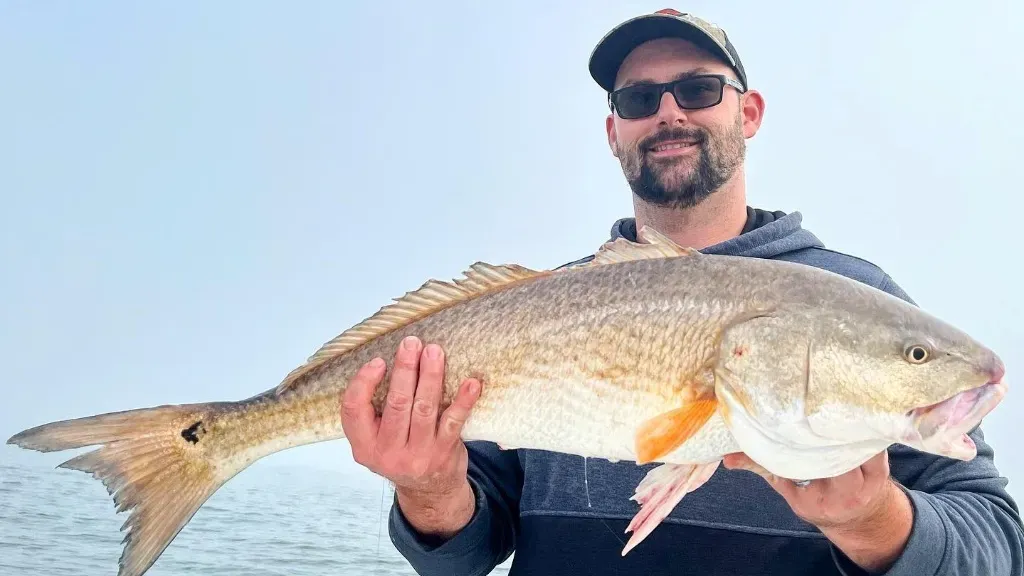
St. Augustine is known for its historic streets and landmarks, but the fishing deserves attention, too. The Intracoastal Waterway, tidal creeks, nearby inlets, and Atlantic beaches give anglers several ways to spend a day on the water.
Redfish are a popular target in St. Augustine throughout the year. During summer and fall high tides, they can move into shallow marsh grass to feed on fiddler crabs. Look for their tails breaking the surface as they root around in the shallows.
Seasonal Fishing Around the Creeks and Bridges
Black drum gather around oyster bars and bridge pilings. Sheepshead become another option around these structures during cooler months, with fiddler crabs a popular bait choice.
Fall is also a good time to look into flounder fishing around Matanzas Inlet. If surf fishing is more your style, Vilano Beach is worth considering for pompano and whiting during spring and fall.
Offshore Fishing in St. Augustine
The nearby Atlantic has reefs and ledges where anglers target snapper and grouper. King mackerel and cobia provide additional options when they're in season.
You can keep things simple with an inshore trip or plan a nearshore outing if you want to spend more time on open water. The choice depends on the species you're after and the conditions on the day.
One advantage of fishing in St. Augustine is that you don't have to plan the entire trip around the water. Visit the historic district in the morning, stop for lunch, and spend the afternoon fishing near a creek mouth as the tide falls.
9. Lake Okeechobee: Florida's Bass Factory
Lake Okeechobee covers roughly 730 square miles, yet much of it is surprisingly shallow. Its extensive vegetation provides habitat for largemouth bass, making the lake a popular destination for recreational anglers and tournament competitors alike.
Fall is a good time to consider a trip here. As temperatures begin to cool, bass feed actively, and anglers can work the vegetation around the lake for fish preparing for the spawning period later in the season.
Flipping, Pitching, and Other Techniques for Lake Okeechobee
Flipping and pitching are common approaches on Lake Okeechobee. Anglers work soft plastics into thick vegetation, where bass often hold and wait for prey.
Topwater frogs are another option over matted grass, while swim jigs and plastic worms can work around vegetation and other cover. Live wild shiners are popular with anglers hoping to catch a trophy bass. If you're new to the lake, a local guide can help you choose the right bait and identify productive areas.
Where to Start Fishing in Okeechobee
Clewiston is a popular base on the southern shore, while Okeechobee City serves the northern end. Harney Pond on the western side is worth knowing about when wind makes other areas uncomfortable. South Bay and the Shoal are also familiar fishing areas.
One thing to watch is the weather. Because the lake is shallow and expansive, strong winds can make conditions rough quickly. Check the forecast and stick to more protected water when necessary.
Timing matters here. Come between late fall and early spring. That's when the bass move shallow to spawn, and it's your best shot at the biggest fish of the year. Summer can still be good, but it's hot, and you'll want to fish early and late.
10. Crystal River: The Slow Lane
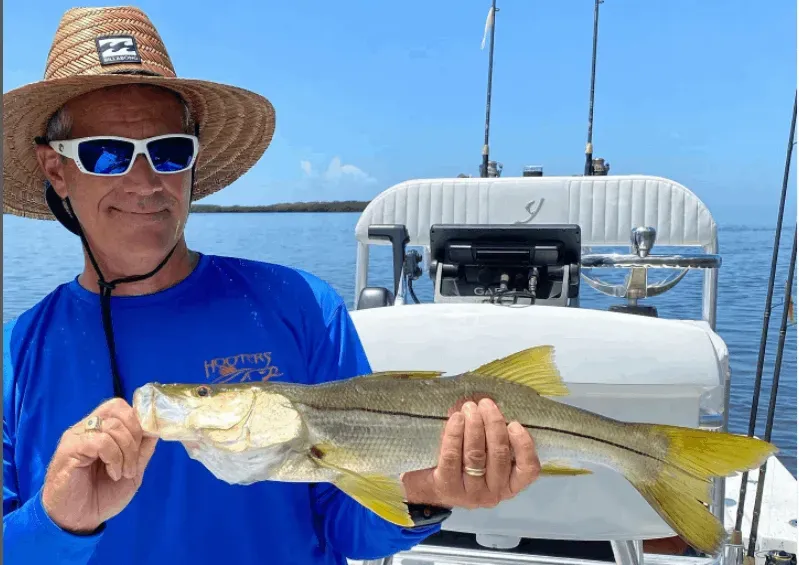
Crystal River is a different kind of fishing destination. Instead of a long run offshore, think shallow grass flats, tidal creeks, and spring-fed rivers.
The surrounding Nature Coast has a quieter feel, with redfish and spotted seatrout among the main inshore targets. Fall is a good time to explore these waters.
Redfish often feed around outside flats and channel edges, while spotted seatrout can be found across grass flats and sandy patches. Grouper fishing is another option when Gulf conditions cooperate
Bring a Kayak or Take It Slow
If you're bringing your own boat, pay attention to the depth. The flats can be extremely shallow, and limestone rocks sometimes sit just below the surface. Stick to marked channels until you're familiar with the water.
A kayak can make exploring these areas easier. It lets you reach skinny water that larger boats can't access and approach fish without as much disturbance. Or you can book a local fishing charter in Crystal River.
How the Seasons Affect Fishing in Crystal River
As temperatures cool, redfish and spotted seatrout may move into rivers and creeks where spring-fed water remains relatively warm. Fall and winter can also bring opportunities to target grouper in nearshore waters.
Summer offers a different activity: scalloping. During the season, visitors head out to the grass flats to look for bay scallops while snorkeling. It's not fishing, but it's a popular way to spend time on the water, especially with family.
Manatees in Crystal River
Crystal River is also known for its manatees. During winter, they gather around the warm springs in Kings Bay, making the area a major wildlife attraction.
Some areas have seasonal restrictions to protect them, so check current access rules and designated zones before launching your boat. Give wildlife plenty of space and follow posted guidance.
A Few Things to Consider Before You Go Fishing in Florida
A little planning can save you a lot of trouble once you're out on the water. Before you pack your tackle, here are a few things worth checking.
Fishing license: Florida has separate freshwater and saltwater fishing licenses, and nonresidents generally need the appropriate nonresident license when required. Fishing aboard a properly licensed charter or from a pier with a valid pier license may cover you under certain conditions. Check the rules for your specific trip before buying a separate license.
Fishing regulations: Size limits, daily bag limits, and open seasons vary by species and location. Rules for some fish can also differ between the Gulf and Atlantic coasts. Check the Florida Fish and Wildlife Conservation Commission (FWC) website before heading out, especially if you're targeting snapper, grouper, or snook.
Choosing the right spot: Not every destination is suited to every species. Lake Okeechobee is a better choice for largemouth bass, while the Florida Keys are known for tarpon and bonefish. Decide what you want to catch first, then choose a destination and fishing method that fit.
Hiring a local fishing charter: Fishing somewhere new can mean spending half the day figuring out where to go and what bait to use. Local guides know the waterways, seasonal patterns, and techniques that tend to work. Their experience can be especially useful in the Florida Keys, the Ten Thousand Islands, and Lake Okeechobee.
Checking wind and tides: Strong winds can make offshore trips uncomfortable or affect fishing on shallow flats. Tides also influence where fish feed and when they're most active. Check the forecast and tide charts before leaving, and follow your guide's advice if conditions change.
Packing for the sun: Bring sunscreen, a hat, polarized sunglasses, and enough drinking water for the trip. Polarized lenses help reduce glare and can make it easier to spot fish in shallow water.
Get Ready to Plan Your Fishing Trip on Florida Waters
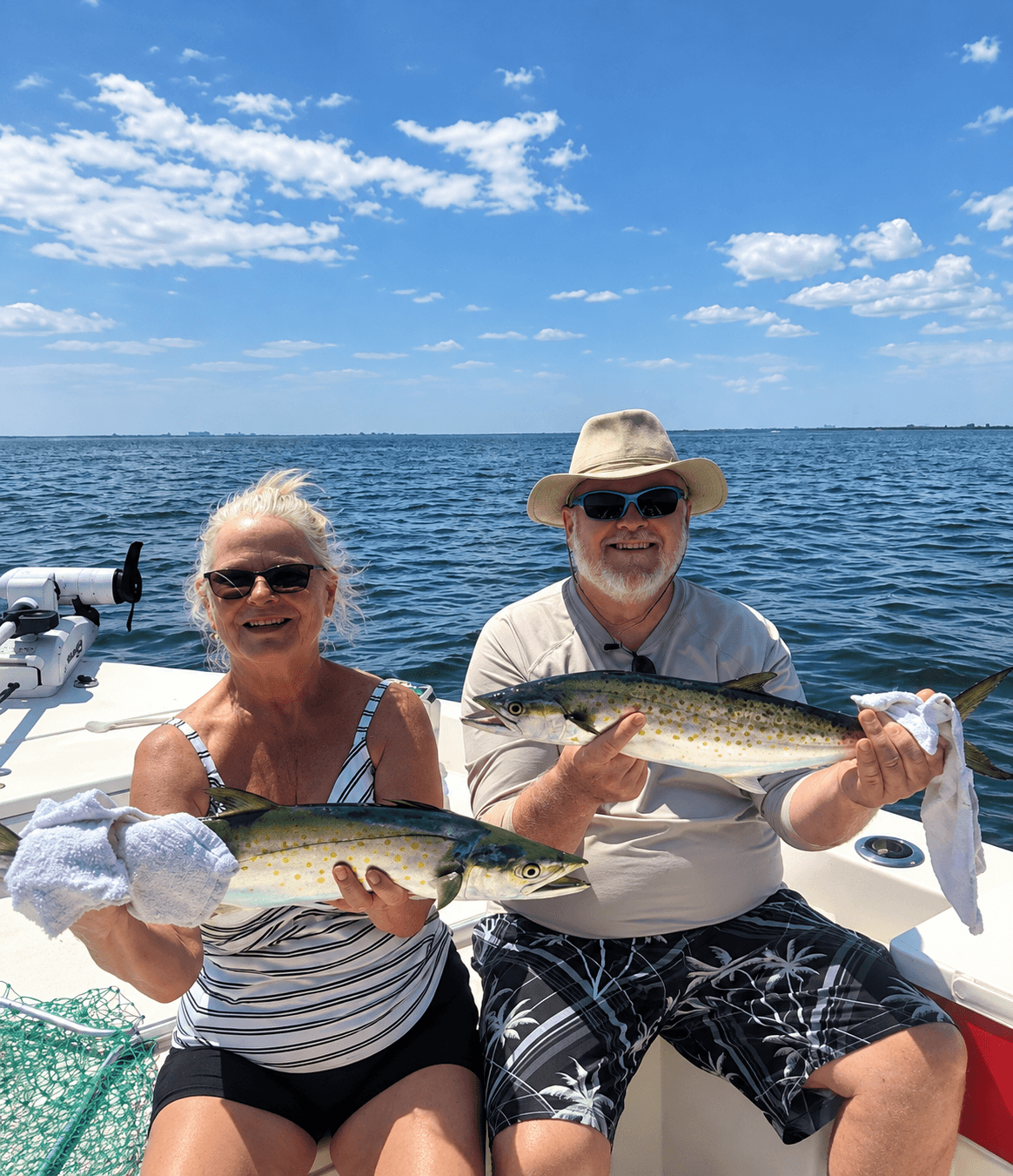
Florida has no shortage of places to cast a line, but choosing the right spot depends on the kind of fishing you want to experience.
You could spend a morning in the shallow flats for redfish, head into the Gulf for an offshore trip, or explore freshwater lakes for largemouth bass.
If you're still figuring out where to go, you don't have to settle on a destination just yet. Find fishing trips across Florida on Guidesly to explore available experiences and see what local guides offer. Whether you're planning a short inshore outing, a family fishing trip, or a full day offshore, you can compare options and find a trip that fits your interests.

